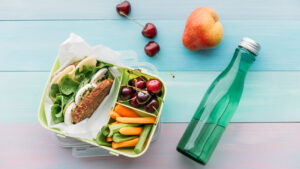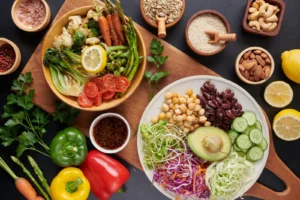
Building healthier meals does not require expensive ingredients, complicated recipes, or a complete change in the way you cook. In many kitchens, the easiest improvements come from small choices: adding a vegetable to a familiar dish, including a satisfying protein source, choosing a suitable grain or starchy food, and paying attention to portions and cooking methods.
The challenge is making those choices practical enough to repeat. A meal that takes two hours to prepare may sound appealing on a quiet weekend but become unrealistic on a busy weekday.
This guide shows how to build simple everyday meals using foods that are easy to find and combine. It also explains how to improve familiar dishes, choose packaged ingredients, plan meals, handle leftovers, and avoid common mistakes without turning food into a complicated set of rules.
Start With the Meal, Not a List of “Healthy Foods”
Instead of asking whether a single ingredient is healthy, look at the meal as a whole.
A bowl of rice by itself is fairly limited. Rice with lentils, cooked vegetables, herbs, and a simple yogurt-based side gives you a much more varied meal.
A sandwich can also be changed without replacing it completely. Add a protein source, vegetables, and a suitable spread, and it becomes more substantial.
This approach is useful because it allows you to keep foods you already enjoy.
You are improving the combination rather than trying to build every meal from unfamiliar ingredients.
A Simple Formula for Everyday Meals
A practical starting point is to build meals from four parts:
A protein source: beans, lentils, eggs, fish, chicken, yogurt, tofu, or another food you enjoy.
A vegetable or fruit: fresh, frozen, or canned options can all work.
A carbohydrate or grain: rice, potatoes, oats, pasta, bread, or another grain-based food.
Flavor: herbs, spices, garlic, ginger, lemon, vinegar, or a suitable sauce.
You do not have to use exactly one item from every category at every meal.
The formula is simply a planning tool.
For example, baked chicken, roasted potatoes, and green beans create a straightforward dinner.
So does lentil curry with rice and cooked vegetables.
The ingredients change, but the basic idea remains easy to understand.
Add More Variety to Familiar Meals
One of the easiest ways to improve everyday cooking is to modify meals you already know.
If you normally make pasta with sauce, add mushrooms, spinach, peppers, peas, or another vegetable you enjoy.
If rice is a regular part of your meals, serve it with beans, lentils, eggs, fish, chicken, and different vegetables throughout the week.
If you make sandwiches, add tomato, cucumber, lettuce, peppers, or other vegetables that work with the filling.
This method is usually easier than creating an entirely new menu.

People often intend to eat more vegetables but buy more than they can prepare.
Make the process easier.
Keep some vegetables that require little preparation.
Frozen vegetables can be added directly to many cooked dishes.
Pre-washed leafy greens can save time.
Carrots, tomatoes, cucumbers, and peppers can be used with minimal preparation.
Cabbage can last relatively well in the refrigerator and can be cooked in several ways.
You do not need to choose the same vegetables every week.
Buying a mixture of fresh and frozen options can make your kitchen more flexible.
Choose Vegetables Based on How You Cook
Different cooking methods produce different textures.
Roasting can give vegetables browned edges and a deeper flavor.
Steaming keeps them relatively light and tender.
Stir-frying cooks them quickly while retaining some firmness.
Adding vegetables to soups makes them soft and allows their flavors to blend with the broth.
Use the cooking method that fits the meal.
If you do not enjoy steamed broccoli, roasting it with suitable seasoning may make it much more appealing.
The goal is not simply to add vegetables.
It is to prepare them in a way you actually enjoy eating.
Include a Satisfying Protein Source
Protein can help make meals more substantial.
You have many options.
Eggs work for breakfast, lunch, and quick dinners.
Beans and lentils are useful in soups, curries, salads, and rice dishes.
Chicken can be baked, grilled, sautéed, or added to soups.
Fish can be roasted or pan-cooked.
Tofu works well in stir-fries and other dishes.
Yogurt can be used as part of breakfast or served alongside savory meals.
Rotating these choices keeps meals from becoming repetitive.
Choose Carbohydrates That Fit Your Meal
Rice, potatoes, pasta, bread, oats, and other grains can all have a place in everyday meals.
You do not need to remove carbohydrates simply because some diet trends discourage them.
Instead, consider the type of food, portion, preparation method, and what you serve alongside it.
For example, a potato can be baked and served with beans and vegetables.
Rice can accompany lentils and a vegetable curry.
Pasta can be combined with vegetables, beans, chicken, or fish.
The same ingredient can be used in very different meals.
Consider Whole-Grain Choices
Whole-grain versions of bread, pasta, cereals, and other grain products can provide more fiber than refined alternatives.
If you enjoy whole-wheat bread or whole-grain pasta, use them regularly.
When shopping, check the ingredient list and nutrition information rather than relying entirely on claims printed on the front of the package.
You also do not need to replace every grain in your kitchen.
Food preferences, availability, and budget all matter.
Use Fruit as Part of Meals and Snacks
Fruit can add flavor and variety without requiring much preparation.
Add berries or sliced banana to oatmeal.
Serve an apple or orange alongside lunch.
Mix fruit into plain yogurt.
Keep easy-to-eat fruit visible on the kitchen counter.
Frozen fruit can be useful for smoothies or breakfast bowls.
If you buy fresh fruit, consider how quickly your household can realistically eat it.
Buying less and using it fully is often better than buying a large amount that ends up being thrown away.
Pay Attention to Added Sugar
Some foods contain naturally occurring sugars, while others have added sugars.
Packaged drinks, sweetened cereals, desserts, flavored yogurts, sauces, and other products can contribute added sugar.
You do not need to remove every sweet food from your kitchen.
Instead, look at how often highly sweetened products appear in your everyday meals.
Compare similar products when shopping.
If you enjoy plain yogurt, you can add fruit yourself.
If your breakfast cereal is very sweet, try a less-sweet option and add fruit if desired.
Small changes are easier to maintain than strict rules.
Be Mindful of Sodium
Salt is useful in cooking because it adds flavor and can play a role in food preservation.
The issue is that sodium can also be high in many packaged and prepared foods.
When buying canned foods, sauces, soups, or ready-to-eat products, compare labels.
Canned beans can often be drained and rinsed before use.
At home, build flavor with garlic, onion, herbs, spices, lemon juice, or vinegar so that salt does not have to do all the work.
If you have been advised to follow a specific sodium limit, use the recommendations provided by your healthcare professional.
Use Cooking Methods That Match Your Goal
How you cook food can change its texture, flavor, and overall composition.
Deep-frying adds substantial cooking fat.
Roasting can create browning and concentrated flavor.
Steaming requires little added fat.
Grilling can give meat and vegetables a browned exterior.
Simmering works well for soups, beans, lentils, and sauces.
You do not need to use only one cooking method.
Learn how each method affects the ingredient, then choose accordingly.
Do Not Fear Cooking Fat
Cooking oils, nuts, seeds, avocado, and other foods containing fat can be part of everyday meals.
Fat also affects flavor and texture.
The practical issue is quantity.
Measure oil when you are trying to understand how much you are actually using rather than pouring directly from the bottle.
Use enough to cook the food properly and achieve the texture you want.
There is no need to make every meal completely fat-free.
Use Flavor Instead of Relying on Heavy Sauces
A simple meal can become much more enjoyable with good seasoning.
Try garlic, ginger, black pepper, paprika, cumin, coriander, chili, herbs, lemon, lime, vinegar, or other flavors that suit the dish.
Acid is especially useful when food tastes flat.
A small amount of lemon juice or vinegar can brighten a soup, salad, cooked vegetables, or grain dish.
Taste before adding more salt or sauce.
Sometimes the meal does not need more salt.
It needs acidity, herbs, spice, or browning.
Build Better Breakfasts
Breakfast does not need to be complicated.
Oatmeal with fruit and nuts is one option.
Eggs with whole-grain toast and vegetables are another.
Plain yogurt with fruit and oats can be assembled quickly.
You could also prepare a simple sandwich or leftovers from the previous evening.
Choose foods that keep you satisfied and fit your normal eating pattern.
There is no universal breakfast that everyone needs to eat.
Make Lunch Easy to Assemble
Lunch is often where complicated meal plans fail.
Prepare a few ingredients that can be combined in different ways.
Cooked grains can become the base of a bowl.
Roasted vegetables can be added to sandwiches, rice, or salads.
Cooked chicken or beans can be used in several meals.
A simple dressing can bring everything together.
This is more flexible than preparing seven completely different lunches.
Prepare Components Instead of Complete Meals
If you have some time available, prepare ingredients rather than cooking every meal in advance.
Cook a pot of rice.
Prepare lentils.
Wash vegetables.
Roast a tray of vegetables.
Boil eggs.
Cook chicken or another protein.
Store the components safely and combine them in different ways during the week.
This approach reduces repetitive meals while still saving cooking time.
Keep Convenient Ingredients in the Freezer
Frozen foods can make home cooking easier.
Frozen vegetables can go into stir-fries, soups, pasta, rice dishes, and omelets.
Frozen fruit works well in smoothies and oatmeal.
Freezing suitable proteins can also help you avoid last-minute trips to the store.
Convenience is useful when it helps you prepare a meal rather than reaching for whatever is available because you are too tired to cook.
Use Canned Foods Without Guilt
Canned beans, tomatoes, lentils, fish, and other foods can save significant preparation time.
Read labels when comparing products.
Drain and rinse canned beans when appropriate.
Use canned tomatoes as a base for sauces and soups.
Combine canned foods with fresh or frozen ingredients to create meals quickly.
A practical kitchen does not have to contain only fresh ingredients.
Make Leftovers Part of the Plan
Leftovers can make healthier home cooking much easier.
If you cook chicken one evening, use some in a sandwich or salad the next day.
Extra roasted vegetables can go into eggs or pasta.
Leftover rice can become fried rice with vegetables and eggs.
Lentils can become part of a soup or grain bowl.
Store leftovers safely and refrigerate them promptly.
When reheating, heat food thoroughly and use safe food-handling practices.
Avoid Building Meals Around Highly Processed Convenience Foods
Convenience foods can have a place in a busy kitchen, but relying heavily on packaged meals, sugary drinks, highly processed snacks, and similar products can make it harder to create varied meals.
Instead of trying to eliminate them completely, make basic foods the foundation of most meals where practical.
For example, use a packaged sauce with homemade pasta, vegetables, and chicken rather than making the entire meal from packaged components.
This keeps cooking manageable while giving you more control over the meal.
Common Mistakes When Building Healthier Meals
Changing Everything at Once
Replacing every food in your kitchen can become expensive and frustrating.
Start with meals you already eat.
Making Meals Too Restrictive
Removing favorite foods can make a meal plan difficult to maintain.
Keep enjoyable foods and improve the overall balance of meals.
Ignoring Flavor
A meal can contain nutritious ingredients and still be unpleasant.
Use herbs, spices, acid, aromatics, and appropriate cooking techniques.
Buying Too Much Fresh Produce
Large quantities can spoil before you use them.
Buy realistic amounts and keep frozen alternatives available.
Forgetting Protein
A meal consisting mainly of vegetables and a small portion of carbohydrates may leave you hungry soon afterward.
Include a suitable protein source when appropriate.
Treating One Ingredient as a Complete Solution
No single food makes an entire meal healthy.
Look at the combination.
Making Every Meal Complicated
Simple food can be useful.
A bowl of rice, beans, vegetables, and a flavorful sauce can be a perfectly practical dinner.
A Simple Weekday Meal Example
Suppose you have little time on a Tuesday evening.
Cook rice or use safe leftover rice.
Heat beans or another protein.
Add frozen mixed vegetables.
Season with garlic, pepper, paprika, and a little lemon juice.
Serve with yogurt or another suitable side if you enjoy it.
The entire meal can be assembled from ordinary ingredients without requiring a complicated recipe.
Another night, use the same rice with eggs and vegetables.
On another day, serve the vegetables and protein with potatoes.
The ingredients can change roles throughout the week.
Build Meals Around What You Already Have
Before deciding what to cook, look inside your refrigerator and pantry.
Maybe you have:
Half a cabbage.
Two carrots.
Some cooked rice.
A few eggs.
A can of beans.
Instead of buying five more ingredients, turn those foods into a meal.
You could stir-fry the cabbage and carrots, add eggs and beans, and serve the mixture over rice.
This habit saves money, reduces food waste, and encourages creativity.
Make Healthier Choices at the Grocery Store
Start with foods that can become several meals.
Choose a few vegetables.
Pick several protein sources.
Buy grains or other staple carbohydrates.
Add fruit.
Then choose flavor ingredients.
For packaged foods, compare similar products rather than trying to understand every item in the store.
Check serving size, added sugar, sodium, saturated fat, fiber, and other information relevant to your needs.
Do not assume that a product with a health-focused label is automatically the best choice.
Adjust Portions to Your Needs
There is no single portion size that works for everyone.
Age, body size, activity level, appetite, dietary requirements, and other factors affect how much food a person needs.
Start with a reasonable amount and pay attention to hunger and fullness.
If you are still hungry, you can add more.
If you consistently have large amounts of leftovers on your plate, consider starting with a smaller serving.
If you have specific dietary requirements, follow advice from an appropriate healthcare professional.
Think About the Whole Week
One meal does not need to contain everything.
Perhaps you eat eggs one morning and beans the next.
You may have fish one day and chicken another.
One dinner may contain rice, while another uses potatoes.
You might eat fresh vegetables today and frozen vegetables tomorrow.
This variety makes meal planning much less stressful.
Instead of trying to create a nutritionally perfect plate every time, aim for a varied pattern across the week.
Frequently Asked Questions
What is the easiest way to make everyday meals healthier?
Start by improving meals you already eat. Add vegetables, include a suitable protein source, use a variety of carbohydrate foods, and adjust sauces, seasonings, and portions according to your needs.
Do I need to stop eating rice, pasta, or potatoes?
No. These foods can be part of everyday meals. Pair them with vegetables and suitable protein sources, and choose portions that fit your appetite and dietary needs.
Are frozen vegetables a good option?
Yes. Frozen vegetables can be a convenient way to keep vegetables available, particularly when fresh produce is expensive, unavailable, or likely to spoil before you use it.
How can I make healthy meals when I have little time?
Keep quick ingredients available, such as eggs, canned beans, frozen vegetables, oats, rice, canned tomatoes, and other foods you regularly use. Preparing a few components ahead can also reduce cooking time.
How can I make vegetables taste better?
Try different cooking methods. Roasting can create browned edges, while stir-frying produces a different texture. Garlic, herbs, spices, lemon juice, and vinegar can also add flavor without requiring complicated sauces.
Should I avoid packaged foods?
Not necessarily. Packaged foods can be convenient and can fit into everyday meals. Compare labels and use them alongside a variety of basic foods rather than relying on highly processed convenience foods for most meals.
How long can I keep leftovers?
Storage time depends on the food, temperature, preparation, and storage conditions. Refrigerate perishable leftovers promptly and follow reliable food-safety guidance rather than relying only on smell or appearance to determine whether food is safe.
Final Thoughts
Building healthier everyday meals is easier when you work with the food and cooking habits you already have.
Add vegetables where they fit. Rotate protein sources. Keep useful frozen and canned ingredients available. Use herbs, spices, and acidic ingredients to make simple food satisfying. Prepare a few ingredients ahead when you have time, and make leftovers part of your plan.
You do not need to make every meal complicated or completely change your diet.
Small, sensible food choices repeated across the week can make everyday cooking much easier to manage.