
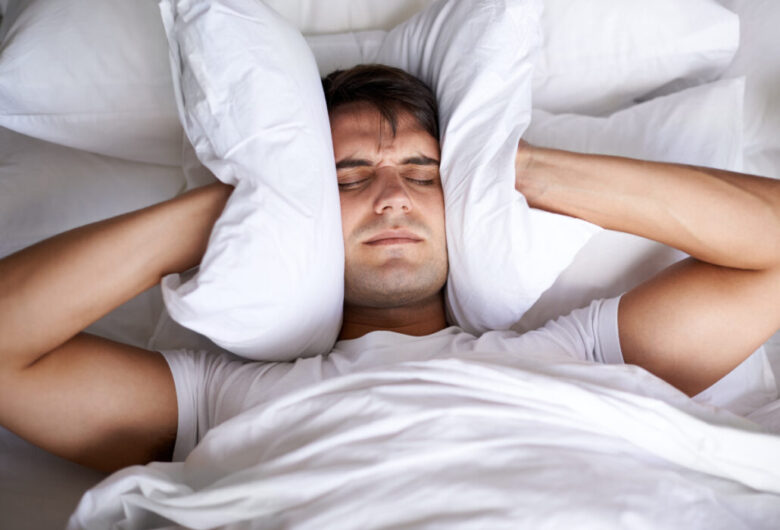
You’re not the only one who stares at the sky every night, wakes up groggy, or feels like the day is endless. Many people have trouble sleeping, and there are many reasons for this. Your body’s normal resting rhythm can be disrupted by habits, anxiety, your environment, and your genes.
Rest isn’t a luxury. It’s essential to your health, affecting your facial expressions, immune system, happiness, energy, and focus. When you can’t sleep, it’s hard to do anything. The good news is that you can fix your lack of sleep. Once you know what’s holding you back, simple steps can help your body and mind get back on track.
Common Reasons Keeping You Awake: Completely Under the Grave
It may not always be obvious why you’re having trouble sleeping. While anxiety or late-night caffeine consumption are common causes, other less obvious reasons can also cause insomnia, such as staring at a screen for too long, changes in body temperature, fluctuations in blood sugar levels, or a sleep pattern that doesn’t work well every night.
Sleep is a skill, which means you can do something about it. Many people think insomnia is a normal part of adult life, or that they just “don’t sleep well.”
Here are some possible issues:
| Cause | How It Disrupts Sleep | Fix You Can Try Immediately |
|---|---|---|
| Irregular sleep schedule | Confuses body’s natural rhythm | Wake and sleep at the same time every day |
| Blue light exposure | Suppresses melatonin | Turn off screens 1 hour before bed |
| Too much caffeine | Blocks sleep-inducing chemicals | Avoid caffeine after 2:00 p.m. |
| Evening stress/anxiety | Keeps nervous system in alert mode | Try deep breathing or a wind-down routine |
| Uncomfortable sleep space | Prevents deep sleep and causes wakeups | Optimize your room’s temperature and lighting |
| Poor diet | Blood sugar crashes or indigestion | Avoid heavy meals or sugar late at night |
| Alcohol before bed | Disrupts sleep cycles and REM sleep | Replace with herbal tea or water |
Most of these aren’t permanent problems—they’re habits that can be adjusted with just a little awareness and consistency.
Your Body Clock, Cortisol, and What They Do
It’s called the circadian schedule, and it controls when you sleep and wake up. Light, hormones, and behavior habits all play a role in controlling it. Hormones that help you sleep and wake up should be different. Hormones that help you sleep should rise in the evening, and cortisol should drop in the morning.
But these hormones get out of whack when you’re exposed to blue light from screens late at night, when you’re stressed all the time, or when you keep changing when you go to bed. You lie awake or wake up tired because your brain doesn’t know when to rest.
Get some sunlight first thing in the morning, spend less time in front of a screen at night, and try to sleep and wake up at the same times every day, even on weekends.
Small changes that have a big impact
You don’t have to make big changes to your life to improve your sleep. A few small changes that are made over time can often have the biggest effect. Start by making a habit to help you relax and switch from “day mode” to “night mode.” Some things that could help are dimming the lights, taking a warm shower, moving, or reading something easy.
In the hours before bed, don’t eat or drink anything big or sugary, because these things can mess up your blood sugar and keep you from falling asleep deeply. Chamomile and lemon balm teas can help your body know it’s time to rest. Foods that are high in magnesium, like bananas and nuts, can also help calm the nervous system and joints.
Make your bedroom a peaceful place to sleep. It should be dark, cool (60–67°F), and quiet. If you need to, use dark shades, and don’t work or watch TV in bed. Your brain should connect your bed with rest, not activity.
How to Get Back to Sleep If You Wake Up in the Middle of the Night
It’s not always easy to fall asleep—sometimes it’s hard to stay asleep. If you find yourself wide awake at 3 a.m., don’t get too excited or grab your phone. Pay attention to your breath instead. You can do a simple body scan and relax each muscle group one at a time, or you can use the 4-7-8 method.
Have a notepad next to your bed for when your mind starts to race. Write down what’s on your mind, and then go back to breathing or visualizing. Up for more than 30 minutes? Get out of bed and do something relaxing, like reading, in low light until you fall asleep again.
Don’t look at the time—it makes things worse. It’s still better to rest quietly than to worry about not being able to sleep.
When to Get Help from a Professional
If you have changed your habits but still can’t sleep, it might be time to look more deeply. Sleep problems like sleep apnea, worry disorders, hormone changes, or long-term pain could be making it hard for you to relax. A sleep study or meeting with a sleep expert can help figure out what’s going on.
Cognitive Behavioral Therapy for Insomnia (CBT-I) is one of the best ways to help people who have trouble sleeping stay asleep. It changes the way your brain works so that going to bed at night means sleep instead of stress or anger.
You can get good sleep. You just need to know what to do, be patient, and be ready to make small changes that will add up to better nights and happier mornings.
Questions People Ask Often
How much sleep do I really need?
Most grown-ups need between 7 and 9 hours of sleep each night. Some people feel relaxed with a little less sleep, but having less than 6 hours a night on a daily basis can hurt your health, happiness, and memory.
Why am I still tired after a good night’s sleep?
Quality of sleep is just as important as amount. You might not be getting enough deep or REM sleep if you wake up tired. Some common reasons are worry, sleep problems, drinking, or waking up a lot at night.
Should you wake up in the middle of the night?
It’s normal to wake up once or twice. When you stay awake for long periods of time or wake up often, you have a problem. Don’t look at the time; instead, focus on relaxing your body and mind.
Does what you eat really affect how well you sleep?
Of course. Sugar, coffee, booze, and big meals right before bed can all make it hard to sleep. Eating lots of whole foods, especially ones that are high in magnesium and serotonin, can help you sleep better.
What is the herbal way to fall asleep quickly?
Deep breathing routines like 4-7-8 breathing, gradual muscle relaxing, or a short guided meditation are all good things to try. These slow down the body’s nerves and get it ready for sleep.
If I didn’t sleep well at night, should I take a nap?
If you’re tired, taking a short (15–30 minute) nap in the afternoon can help. But taking naps that are too long or too late in the day might make it hard for you to fall asleep the next night.