There are so many things out there that claim to be “healthy”: low-carb fads, meal replacement shakes, calorie counting apps, and “healthy” logos. The benefits of whole foods take all the guesswork out of them. These foods come from the earth, not a machine. They are unprocessed, rich in nutrients, and are the foundation of a truly healthy diet.
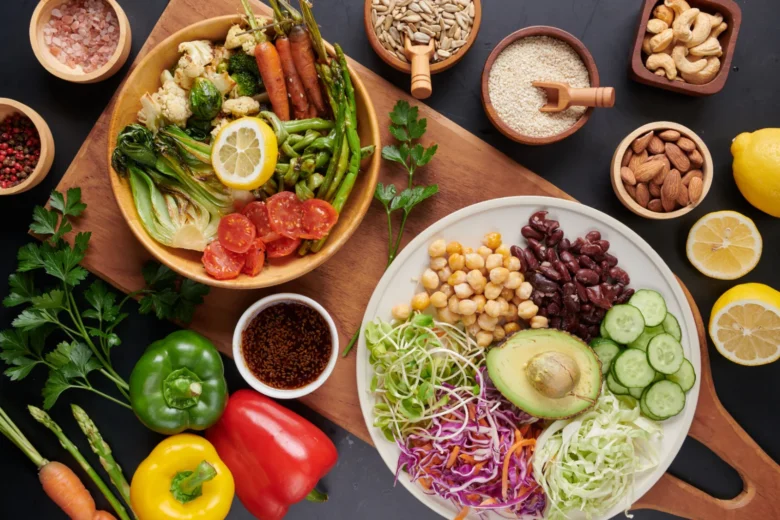
Your body is designed to break down whole foods. Eat foods like uncooked whole grains, beans, nuts, seeds, eggs, and meat. These foods are rich in vitamins, minerals, dietary fiber, antioxidants, and healthy fats, and don’t contain the added sugars, fake ingredients, or chemicals that are often found in many packaged foods.
When you eat mostly whole foods, you naturally eat fewer empty calories and get more nutrients in every bite. Your blood sugar levels stay more stable, you feel fuller longer, and you give your body the fuel it needs to heal itself, get energy, and stay healthy. It’s not about eating healthy, it’s about choosing real food more often.
Health Benefits of Whole Foods
Whole foods are nutrient-dense, meaning they’re rich in a variety of beneficial nutrients while maintaining a low calorie intake. For example, a cup of spinach has less than 10 calories, but is packed with iron, calcium, vitamin K, vitamin C, dietary fiber, and antioxidants. This is not the same as a stack of cookies, which may have more calories but few beneficial nutrients.
Additionally, these foods are naturally high in dietary fiber, which helps with food digestion, keeps you feeling full, and regulates your blood sugar levels. Many people today don’t get enough fiber in their diets, and whole foods are the best way to get more without using medications.
Antioxidants are another important component of whole foods, which help the body fight oxidative stress and inflammation. Antioxidant-rich fruits and vegetables, such as blueberries, kale, sweet potatoes, and bell peppers, are high in these chemicals. They can reduce your risk of disease, improve your skin, and clear your mind.
Analysis of Whole vs. Processed Foods
To better understand the value of whole foods, let’s compare them to the processed foods that many people eat every day. The following examples are all common foods, broken down by calories, fiber, sugars, and nutritional value.
| Food Item | Calories | Fiber (g) | Added Sugar (g) | Nutrient Density |
|---|---|---|---|---|
| Apple (whole) | 95 | 4 | 0 | High |
| Apple-flavored cereal bar | 180 | 1 | 12 | Low |
| Brown rice (1 cup, cooked) | 215 | 3.5 | 0 | High |
| Instant white rice | 210 | 0.5 | 0 | Low |
| Grilled chicken breast | 165 | 0 | 0 | High |
| Breaded frozen chicken patty | 300 | 1 | 3 | Low |
This chart shows how whole foods offer more fiber and fewer additives for the same or fewer calories. They also tend to be more filling and less likely to cause sugar crashes or energy dips.
Whole foods make healthy eating easier
One of the benefits of focusing on whole foods is that it makes healthy eating easier. You don’t always have to follow a script or a data point. When your plate is made up of mostly whole foods like fruits, vegetables, carbs, beans, meats, and healthy fats, your meals are naturally balanced.
Instead of counting carbs in a snack bag, eat a banana with almond butter. Don’t read the labels on frozen foods. Make a simple stir fry with lean meats and fresh vegetables. It’s easier to make with fewer ingredients. Whole foods save time, replenish energy, and maximize your health.
Pre-prepared meals often contain hidden sugars and salt to enhance flavor and keep them fresh longer. This approach helps remove them. You can control what you eat and how you feel about it when you get closer to the source.
Long-Term Effects of a Whole Food Diet
In the long run, eating lots of whole foods can benefit almost every part of your body. Your digestion can improve, your energy levels can be more consistent throughout the day, your skin can improve, and you can think more clearly. People who eat whole foods regularly have a lower risk of heart disease, type 2 diabetes, obesity, and certain types of cancer.
Eating whole foods can also help naturally control your hunger. Whole foods are high in fiber and good fats, which can help you feel fuller. When you eat meals made with healthy ingredients, you’re less likely to snack or overeat.
This way of eating is especially effective for people who are trying to control their weight. You’re not starving yourself; you’re just eating better. Whole foods like fruits and vegetables can help you feel full with fewer calories, which can help you maintain a healthy weight without dieting.
Make it a daily habit
It’s not hard to switch to a whole foods diet. Start small. Replace one processed food with one whole food each day. Instead of sugary cereals, try rice, carrots, hummus, and chips. Drink lemonade instead of soda. These changes will gradually become habits.
If you want to fill your shopping cart with whole foods, look outside the store where meat, dairy, produce, and seeds are sold. Your meal plan should be based on the product, not the name. Learn to enjoy the real flavor of food, which comes from herbs, spices, citrus fruits, and healthy oils.
Another helpful way is to cook more at home. When you cook your own food, even if it is simple, you naturally consume fewer chemicals and added sugars. You will also pay more attention to the food you eat and develop a stronger connection with it, which is a big step toward long-term good health.
FAQ
What does “whole foods” actually mean?
Whole foods are products that are minimally processed and do not contain added chemicals. This includes whole grains, eggs, fish, nuts, seeds, beans, fresh fruits and vegetables, and raw meat.
Is it okay to eat artificial foods?
It is important to eat a balanced diet. In most cases, it is better to eat unprocessed foods, but not all processed foods are bad. Frozen vegetables or canned beans (but without added salt or sugar) can still be part of a healthy diet.
Are unprocessed foods more expensive than processed foods?
Not always. Basics such as rice, beans, oats, and seasonal fruits and vegetables are often cheaper and larger than prepared meals. It can also be helpful to plan meals and reduce waste.
Why do I find it so Could you help me understand why purchasing unprocessed foods seems challenging?
be just as convenient as prepared meals if you cook in bulk, plan meals in advance, and use leftover fruits and vegetables. Simple foods are easy to combine, so always have some on hand.
Can Whole Foods Help You Feel More Energy and Focused?
Yes. Processed foods are packed with vitamins, minerals, and slow-digesting carbohydrates that help keep your blood sugar levels stable, giving you more energy and mental clarity than processed snacks.
How can I easily start eating more whole foods? Start by adding a serving of whole foods to every meal. Eat fresh fruit for breakfast. Eat a salad or veggies for lunch. Eat a high-carb meal, like brown rice or quinoa, for dinner.