What you eat and put on your face aren’t the only things that affect your skin health. How you sleep and deal with stress are also very important. It’s not a surprise if you get more pimples during a busy week or if your skin looks dull after a few nights of bad sleep. Your body, especially your skin, reacts directly to the beat and balance of your emotions and thoughts.
It takes more than good items to get bright, glowing skin. Because your skin is an organ, it shows how healthy you are generally. You can see the effects of not getting enough sleep or being stressed all the time: dark circles, bloating, dry skin, uneven tone, and even acne, eczema, or psoriasis flare-ups.
One of the most overlooked ways to look good is to take care of your mind and sleep schedule. You don’t need expensive tools or extra money to do it; you just need to be aware and consistent. After learning about the science behind how rest and relaxation affect your skin, it’s easier to make habits that help you glow from the inside out.
What Your Skin Does While You Sleep
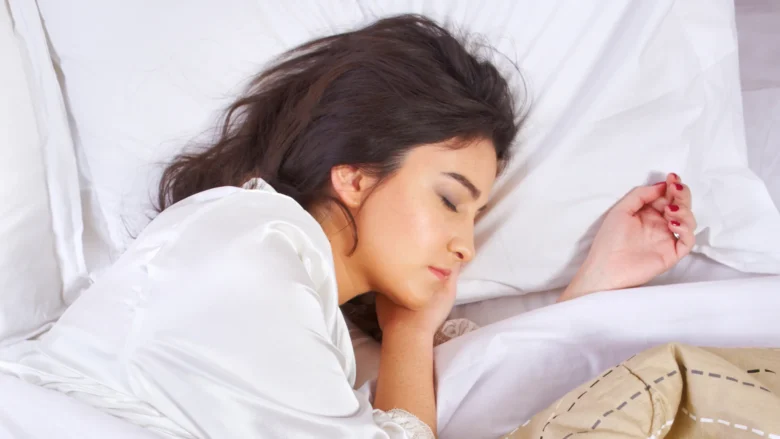
Your skin, like the rest of your body, heals and rejuvenates while you sleep. More oxygen and nutrients can get to your cells during deep sleep because more blood flows to the skin. At this point, the skin’s barrier starts to heal itself, inflammation goes down, and collagen production peaks.
This process stops when there isn’t enough rest. The stress hormone cortisol stays high, making the skin more likely to dry out, become inflamed, and heal more slowly. So, not getting enough sleep for even one night can cause red eyes, dull skin, or acne. Chronic lack of sleep can speed up the aging process over time, causing fine lines and drooping skin.
Try to get between 7 and 9 hours of good sleep every night. Your skin’s natural circadian cycle works with your body clock, and getting enough sleep every night helps keep cell turnover and wetness balance in good shape. Think of sleep as a free, useful, and necessary face treatment you do every night.
How stress hurts skin health
Stress has two types of effects on your skin: direct and secondary. Your body makes chemicals like adrenaline and cortisol when you’re stressed. Cortisol makes your body make more oil, which can clog your pores and cause acne. It also makes the skin’s layer weaker, which makes it more sensitive, dry, or likely to get hot.
Chronic stress also messes up the link between your gut and skin. Inflammation gets worse when your immune system and gut are weak. This inflammation can show up as acne, eczema, or rosacea. Stress can make your skin less balanced and strong, even if you eat well and use good products.
Stress can cause insomnia, cravings for sweets, and neglecting skin care, all of which add up. You can’t eliminate stress, but you can manage it in ways that are good for your skin and body.
A Look at How Sleep and Stress Affect Skin
There is a picture below that shows how worry and sleep affect your face and what signs you might see if either is out of balance.
| Factor | Biological Impact | Visible Skin Symptoms | Long-Term Effect |
|---|---|---|---|
| Quality Sleep | Boosts collagen, repairs barrier | Glowing skin, fewer wrinkles | Youthful appearance |
| Poor Sleep | Increases inflammation, slows repair | Dullness, dark circles, dryness | Premature aging |
| Low Stress | Balanced hormones, improved healing | Clear, even skin tone | Radiant, healthy skin |
| High Stress | Spikes cortisol, weakens immunity | Breakouts, redness, flare-ups | Chronic skin conditions |
Understanding these patterns makes it easier to see why managing your internal health is just as important as external skincare. Glowing skin starts with what’s happening on the inside—and both sleep and stress management are pillars of that foundation.
Making a Sleep Routine That’s Good for Your Skin
A routine at night is important if you want your skin to look rested and healthy. No matter what day it is, try getting up and going to bed at the same time every day. Make a space that helps you rest. Turn down the lights, stay away from screens an hour before bed, and think about relaxing with herbal tea or light stretching.
Taking care of your face at night can also help your body get ready for sleep. Using a relaxing lotion or facial oil, rubbing your skin, and gently washing your face can help reduce stress and improve blood flow. A cool, dark bedroom is best for getting a good night’s sleep.
When you sleep, your body starts to heal itself. Your skin will look better if you give it the room and time it needs to do its job.
Taking care of your stress for glowing, strong skin
Taking care of your stress is important for your skin as well as your happiness. Everyday habits that are easy can make a big difference. Moving around often, like when you walk or do yoga, lowers cortisol and brings more blood to your face. Writing in a book, meditating, and taking deep breaths can all help calm your nervous system and lower inflammation inside your body.
It’s possible to feel less stressed just by taking small breaks during the day to stop, breathe slowly, or get some sun. Putting pleasure and rest first isn’t a luxury; it’s a way to take care of your face. Your body works better when you feel safe, encouraged, and calm, and your face looks and feels better too.
Saying “no” to responsibilities that aren’t necessary, cutting back on caffeine, or taking breaks from technology can all add up to big changes over time. You can’t stop stress, but how you handle it has a bigger effect on your skin and health than you might think.
Questions People Ask Often
How many hours of sleep should I get to keep my face healthy?
EEvery night, most people need 7 to 9 hours of good sleep. This gives your body time to heal and make new skin cells, which helps your skin look smoother and healthier.
Is it true that stress can cause acne?
Yes. Stress elevates cortisol levels, leading to an increase in oil production and inflammation in your body. Both elevated cortisol levels and inflammation can lead to acne, particularly on the chin or face.
How can I get rid of stress so that my face looks better?
Studies have shown that mindfulness, slow movement (like yoga or walks), breathing exercises, and getting enough sleep can reduce stress and improve skin health. Everyday habits, no matter how small, are important.
Is it bad for face to sleep with makeup on?
Of course. If you sleep in your makeup, it can block your pores, trap dirt and oil, and stop your skin from healing properly, which can cause heaviness, breakouts, and itchiness. Before going to bed, always wash your face.
How quickly will getting more sleep make my face look better?
In a few days, you should see some changes for the better, like less puffiness or more moisture. It usually takes two to four weeks of regular rest for deeper changes in texture, tone, and clarity.
Can not getting enough sleep make my face look older?
Yes. Inflammation and collagen production go down when you don’t get enough sleep. This can cause fine lines, slumping, and a loss of glow over time.