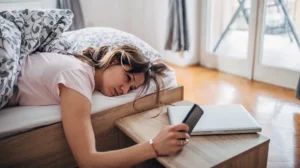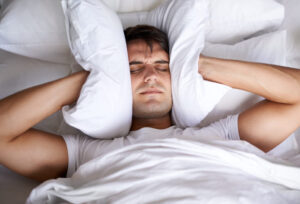

You don’t just feel relaxed when you get enough sleep; your body needs that time to fix, recharge, and balance itself. If you don’t get enough sleep, it can hurt your mood, memory, metabolism, defense, and even your face. Still, a lot of people feel like they can’t get a good night’s sleep.
The good news is that you don’t need fancy tools or hard to follow practices to sleep better. Your sleep can be longer and better if you stick to a few habits that have been shown to work by science. These small changes can help if you have trouble going to sleep, staying asleep, or waking up in the middle of the night or early in the morning.
Making habits that tell your body and brain it’s time to wind down will help you sleep better. When you do these things on a daily basis, they build a strong sleep rhythm that helps you fall asleep faster, stay asleep longer, and feel truly refreshed when you wake up.
Set a Regular Time to Go to Bed
If you want to sleep better, do something as easy as going to bed and getting up at the same time every day, even on the weekends. The circadian rhythm is your body’s internal clock that controls when you sleep and wake up. If you sleep in on Sundays or stay up too late on Fridays, you throw off this rhythm, which makes it harder to fall asleep when you need to.
Set a reasonable bedtime based on when you need to get up in the morning. If your body isn’t used to going to bed early, change your plan by 15–30 minutes at a time. Your body will get used to sleep over time, and it will feel much more normal to fall asleep.
It also helps to wake up at the same time every day, even after a bad night’s sleep. You won’t need alarms or coffee to get through the day because your body will learn to be sleepy at the right time.
Make your environment sleep-friendly
Your bedroom should be a place to relax, not something that makes you feel awake. Make your room cool, dark, and quiet before you go to sleep. Most people sleep best when it’s between 15°C and 60°F (15°C to 67°C). You can block out light with blackout curtains or an eye mask. To block out annoying sounds, you could use a white noise machine or a fan.
Tech should not be used in the bedroom, or screens should be turned off 30 to 60 minutes before bed. Blue light from phones, TVs, and computers stops your body from making melatonin, which is a hormone that helps you fall asleep. Do something else before bed instead of scrolling: read, write in a journal, or do some light stretching.
Also, pay attention to the sheets you use. A soft mattress and sheets that let air flow through can really help. You don’t have to spend a lot of money. Just find something that makes you feel good and calm when you go to bed.
Set up a way to wind down
It’s not as easy as flipping a switch to fall asleep. It takes time for your body to go from being full of energy to being at rest. That’s why you need a habit to help you relax. Your brain will know it’s time to sleep if you do the same calm things every night.
Turn down the lights an hour before bed and do something quiet that doesn’t involve a computer. Do some deep breathing for a few minutes, take a warm shower or bath, or listen to music or sounds of nature that calm you down. Writing in a notebook might also help, especially if your thoughts keep you up at night.
You can change your nervous system from “fight or flight” to a relaxed, parasympathetic state that helps you get deep, healing sleep in just 10 to 15 minutes.
Be careful about what you eat and drink
An important part of how well you sleep is what you eat at night. Four to six hours before bed, don’t eat or drink anything big or spicy. These can make it hard for your body to digest food, speed up your heart rate, or relax.
Even though alcohol might help you fall asleep faster, it makes sleep less restful and makes it more likely that you will wake up in the middle of the night. If you’re thirsty, choose peppermint, chamomile, or lemon balm tea. Without any bad affects, these plants can help ease stress and make you sleep better.
You might be able to sleep better if you eat a light snack with complex carbs and protein before bed. An example of this would be a banana with almond butter or a small bowl of oats.
Easy habits that can help you sleep better
Here are some important sleep habits, along with reasons why they work and how to make them a regular part of your life:
| Habit | Why It Helps | How to Start |
|---|---|---|
| Consistent sleep schedule | Aligns circadian rhythm | Go to bed/wake up same time daily |
| Screen-free wind-down routine | Reduces brain stimulation, supports melatonin | Read, stretch, or breathe before bed |
| Cool, dark bedroom | Supports natural temperature drop for sleep | Adjust thermostat, use blackout curtains |
| Avoid caffeine/alcohol late | Prevents disrupted sleep cycles | Cut off caffeine by 2 p.m. |
| Evening relaxation | Lowers cortisol and mental chatter | Meditate, write, or listen to soft music |
| Light, early dinner | Reduces digestive stress | Eat 2–3 hours before bed |
The more of these you integrate into your evening, the better your sleep will become. Small adjustments lead to lasting results, especially when practiced regularly.
Your Sleep Reflects Your Daily Life
Good sleep isn’t just created at night—it’s influenced by your daytime habits too. Getting natural sunlight early in the day helps set your body’s internal clock and makes it easier to fall asleep at night. Regular physical activity, even a daily walk, can reduce anxiety and improve sleep quality.
Avoid excessive naps or late-afternoon caffeine, and try to manage stress throughout the day with mindful breaks, breathing exercises, or short meditations. The more balanced your day, the more restful your night.
The key takeaway is that great sleep is the result of consistent signals to your body that it’s safe to rest. With patience and a few simple shifts, you can create a routine that helps you sleep deeper, longer, and better—naturally.
Frequently Asked Questions
Could you please let me know how many hours of sleep are recommended for optimal health?
Most adults need 7–9 hours of sleep each night. The right amount varies by individual, but consistently getting fewer than 6 hours can lead to fatigue, poor focus, and health issues over time.
Why do I still feel worn out after 8 hours of sleep?
It could be poor sleep quality, sleep interruptions, or underlying conditions like sleep apnea. Improving your bedtime routine and sleep environment is a beneficial place to start.
Is it okay to nap during the day?
Short naps (15–30 minutes) in the early afternoon can boost energy without affecting nighttime sleep. Avoid long or late naps, which may disrupt your circadian rhythm.
Can certain foods help me sleep better?
Yes. Foods rich in magnesium, tryptophan, or melatonin—like oats, almonds, cherries, and bananas—can support better sleep when eaten in small portions before bed.
What’s the best way to fall asleep quickly?
Try deep breathing exercises, progressive muscle relaxation, or visualizing a calming place. Reducing stimulation and following a consistent wind-down routine also helps.
Does exercise help with sleep?
Absolutely. Regular exercise can reduce stress and improve sleep quality. Just avoid intense workouts close to bedtime, as they may raise adrenaline levels temporarily.