
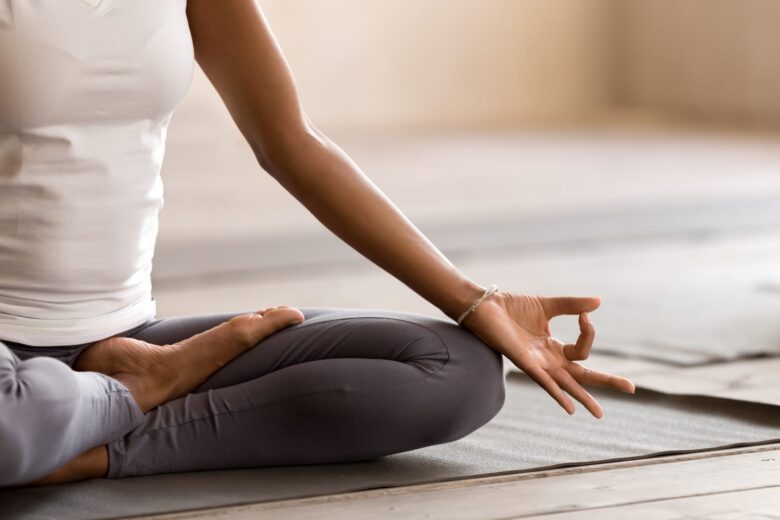
It can be hard to fall asleep when there is so much going on in the world. It can feel like you’re trying to turn off a speeding engine. Even though you’re tired, your mind won’t stop thinking about the things you need to do tomorrow, a talk you had recently, or the endless scroll of social media. That’s where breathing exercises and meditation come in—not as tricks, but as useful tools that can help you go from being tense to calm, from being awake to asleep.
Meditation and breathwork, on the other hand, work on the cause of insomnia, which is an overactive mind and nervous system, rather than the symptoms. These exercises help your body’s natural relaxation reaction happen, which lowers stress hormones, calms your nervous thoughts, and puts you in a state where sleep is not only possible but also feels normal.
You don’t have to become a monk or sit cross-legged for an hour. You can change how you fall asleep, stay asleep, and feel the next day with just a few minutes of practice every night.
How meditating gets your brain ready to sleep
Clearing your mind isn’t what meditation is for. It means slowly focusing on something else, like your breath, your body, or a calming word, and letting your thoughts go by without getting caught up in them. The brain’s default mode network, which makes you think too much and let your thoughts roam, shuts down when you focus. This is what most people need right before bed.
Cortisol is a worry hormone that can keep you up at night. Regular meditation can lower it. It also makes more serotonin, which controls mood and sleep cycles, and more melatonin, which is the hormone that makes you sleepy.
Meditations with a guide can help you a lot if your mind wanders. You can focus on a soft voice, and most guided meditations typically include visualization or gradual relaxation methods. A small amount of time can make a big difference.
Your Natural Sleep Switch: The Power of Breath
One of the fastest ways to calm your body and mind is to pay attention to your breath. Your brain knows something is wrong when your breathing gets short and fast when you’re worried or stressed. Moving your breath more slowly, on the other hand, says, “I’m safe.” You can take a break.
The parasympathetic nerve system handles rest, digestion, and healing. Breathing movements have a direct effect on this system. Taking a few slow, deep breaths can help lower your blood pressure, slow down your heart rate, and relax your body.
The best part? You can do them anywhere, even when you wake up in the middle of the night. You can do them lying in bed or sitting in a chair. Deep breathing makes it easier to relax over time because your body starts to link it with sleep.
Simple ways to help you sleep that you can try tonight
Meditation and breathwork go well together, so you don’t have to pick one over the other. First do some deep breathing to calm your body down. Then do a short meditation to clear your mind. Here are some methods that are good for beginners:
The Method What Does It Do? How to Do It
| Technique Name | What It Does | How to Do It |
|---|
| 4-7-8 Breathing | Lowers heart rate and quiets the mind | Inhale 4 sec, hold 7 sec, exhale 8 sec. Repeat 4 cycles. |
| Body Scan Meditation | Releases tension from head to toe | Mentally scan and relax each part of your body |
| Box Breathing | Balances nervous system, reduces anxiety | Inhale-hold-exhale-hold for 4 seconds each |
| Mindful Breathing | Grounds attention in the present | Focus on each inhale and exhale without changing them |
| Guided Sleep Story | Distracts from looping thoughts | Listen to a calming voice tell a slow, peaceful narrative |
| Visualization | Eases into a calm state through imagery | Imagine a peaceful place—like a forest, beach, or cabin |
Setting up a routine for breathing and meditation
It’s more important to be consistent with these habits than to do them for a long time. A regular beat every night teaches your brain to be calm. Every night doesn’t have to be the same, but doing something helps.
Do it for five minutes at first. Set your phone to tell you an hour before bed to turn down the lights, disconnect, and calm down. Start by lying down or sitting with support in a comfortable way.
Check out the “sleep” part of your meditation app. There are hundreds of free practices made just for resting in apps like Insight Timer, Calm, and Headspace. Another way to get ready for bed is to listen to nature sounds, do breathwork, or say a phrase.
Not being great is what it’s all about. You’ll think about other things more some nights than others. It’s all right. It’s okay to go back to your breath, your body, or the voice that makes you feel better.
When This Will Be Useful
You might think that the best time to relax or take deep breaths is before bed, but you can also use these techniques during the day to lower your stress and sleep better at night. Taking short breathwork breaks in the middle of the day can help keep you from getting too tense, which can last into the evening.
Don’t grab your phone or turn on the lights if you wake up in the middle of the night. Instead, focus on your breath. When you want to feel calm again without going back to sleep, use the 4-7-8 method or body check.
You can also try a guided meditation designed to address overthinking or worry on nights when your thoughts persistently trouble you. A soothing voice, a steady beat, and a gentle focus can assist you in breaking free from the cycle of overthinking and resting.
Questions People Ask Often
Do I need to know how to meditate before I can use it to help me sleep?
Not at all. Beginners should start with sleep meditations. You only need to be willing to meditate. You don’t have to be “good” at it. You don’t have to stop thinking; the goal is to gently direct your attention.
What helps you sleep more: deep breathing or meditation?They work well together. Meditation calms the mind and breathing routines calm the body. Put together, they make the perfect setting for rest.
Would these work if I wake up in the middle of the night?
Yes, and they can work really well. To calm down again, do 4–7-8 breaths or a guided meditation. Don’t turn on any lights or do anything else that will stimulate your brain.
What is the best app for meditation that can help you sleep?
Insight Timer offers many free meditation options. Headspace and Calm are great for organized routines and sleep stories that walk you through them. Try out a few to find the one with the best voice and style for you.
How soon must I wait to see results?
On the first night, some people feel calmer. Please allow a week or two of regular practice to observe more significant changes in your sleep patterns. The link between these methods and your ability to fall asleep gets better the more you do them.
Is it possible to substitute sleeping pills with meditation?
Yes, especially if the sleeplessness is caused by stress. But you should always talk to your doctor before stopping any medicine. As a supplement or substitute, meditation can be very helpful if done regularly.