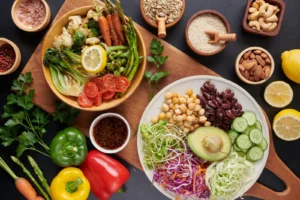
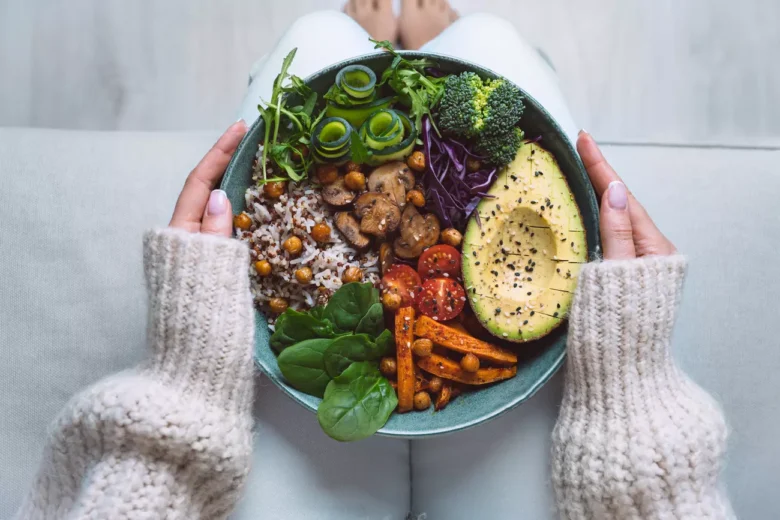
Creating a healthy plate isn’t about dieting or portion control. It’s about nutrition, balance, and longevity. Every meal is an opportunity to give your body the nutrients it needs to stay healthy, alert, and energized. A balanced plate can be diverse, colorful, and delicious, and can help you achieve your long-term health goals.
Vegetables, lean meats, whole grains, and healthy fats are the key ingredients of a healthy plate. When used in the right proportions, these foods fill you up, help your body digest food, and keep your blood sugar levels in check. Think about not only what you eat, but also how much, how often, and how different foods fit together.
You don’t have to follow a strict diet or track every calorie. Think of your plate as a pie chart. Half should be fruits and vegetables, 25% lean protein, and 25% whole grains or starchy vegetables. Add a dash of healthy fats and your plate will boost your energy, brain health, and body health.
Elements of a Healthy Plate
When planning your meals, choose foods with different colors and flavors. Vegetables are rich in fiber, vitamins, and antioxidants. Dark leafy greens, like spinach or kale, are super healthy, while brightly colored vegetables, like bell peppers and carrots, add texture and crunch to your meal. Berries or apple slices are a great addition to any meal, as they are sweet and high in fiber.
Protein helps your body repair itself, build muscle, and keep you feeling full. Grilled chicken, beans, tofu, peas, fish, or eggs are all good choices. If you’re following a plant-based diet, soy products and legumes are a good source of high-quality protein, fiber, and vitamins.
Wholesome carbohydrates keep your blood sugar levels stable and provide slow-burning energy. Choose brown rice, quinoa, oats, whole wheat pasta, or barley. If possible, avoid processed carbohydrates. They can spike your blood sugar, which is not good for your health.
Top your plate with healthy fats. Adding a little olive oil and avocado slices or pits can make your meal more flavorful and better for your brain and heart. Fats also help your body absorb vitamins A, D, E, and K, which are fat-soluble. This makes your meal more nutritious.
Balanced vs. Unbalanced Plates
Check out the image below to compare a healthy plate to an unbalanced average plate. It shows how calories, macronutrients, and nutrient levels change when you combine different common foods.
| Meal Type | Calories | Fiber (g) | Protein (g) | Nutrient Density |
|---|---|---|---|---|
| Grilled Chicken with Veggies & Brown Rice | 500 | 8 | 35 | High |
| Cheeseburger with Fries | 850 | 3 | 25 | Low |
| Lentil Salad with Quinoa | 480 | 12 | 20 | High |
| White Pasta with Cream Sauce | 780 | 2 | 15 | Low |
| Salmon, Sweet Potato & Broccoli | 550 | 9 | 30 | Very High |
From this comparison, it’s clear that meals made with whole ingredients offer more fiber, better protein, and more nutrients per calorie. Fiber helps with digestion, protein supports muscle and satiety, and nutrient-dense foods improve your body’s ability to function day-to-day.
It’s the details that matter
You don’t have to overhaul your diet right away. Small changes are more likely to have a long-lasting effect. Start by looking at what you’re eating now and asking yourself, “Where can I add more vegetables?” Can I replace white rice with quinoa? Can I opt for lighter options? Can I replace sweetened beverages with unsweetened water or tea?
These changes will add up over time. Drinking water instead of soda for a week can save you hundreds of calories. Eating grilled or baked foods instead of fried foods can lower your saturated fat intake and reduce inflammation. Eating more leafy greens can increase your intake of iron, calcium, and vitamins C and K.
It’s also a good idea to prepare meals ahead of time. If you have pre-cut vegetables, cooked grains, and marinated meats on hand, it only takes a few minutes to prepare a healthy plate. This will reduce your chances of reaching for fast food or takeaway, which can help you achieve your goals.
Eat mindfully
It’s not enough to just be aware of what you eat, you also need to be aware of how you eat. Chewing slowly, chewing each bite and pausing between each bite can help your body digest food better and let you know when you’re full. Too often, people eat quickly, at their computers or skip meals. Mindful eating can prevent you from overeating and help you enjoy your food more.
Another small but powerful habit is portion control. Eating from smaller plates, eating from plates instead of containers and waiting for a short break before having a second helping can help you make better decisions. Don’t reach for something else – if you’re full, it means you’re done.
Food is more than just food; it’s also part of society, habits and pleasure. Preparing a healthy plate is important, but making sure it’s nutritionally balanced is just as important. When your daily eating habits are based on healthy foods, you have room for good meals, parties, and other forms of fun.
Food is where long-term health begins. When you eat healthy regularly, the benefits are passed on to others. You may feel more energetic, have a more stable mood, better skin, a stronger immune system, and be able to manage your weight more easily. Over time, your risk of chronic conditions such as heart disease, diabetes, and high blood pressure will also decrease significantly.
The best news? Over time, this eating habit will become easier. As you start to crave fresh food, your body will become healthier. Cooking at home, trying new recipes, and going to the grocery store to stock up on colorful fruits and vegetables will no longer be a chore.
One of the easiest, least expensive, and most effective ways to improve your health is to create a healthy plate every day. You don’t have to strive for perfection; you just have to be persistent, curious, and willing to eat mindfully.
Frequently Asked Questions
How much should I eat on a healthy plate?
Half of your plate should consist of non-starchy vegetables, a quarter of lean meat, and the last quarter of whole grains or carbohydrates. Adjust your diet based on your hunger and activity level.
Do I need to track calories to create a healthy plate?
Not at all. For most people, focusing on nutritious foods and healthy intake is more effective and sustainable than strictly restricting your calorie intake.
Can I still eat healthy if I don’t eat meat or dairy?
Of course I can. Plant proteins, such as lentils, tofu, tempeh, beans, and rice, can easily replace animal proteins, and plant-based meals can be very healthy.
How can I make my food healthier when eating out?
If you want to eat meat, ask for a salad or sauce on the side and drink water instead of a sugary drink. You can also ask for a salad or cooked vegetables instead of chips.
What is a healthy breakfast?
You can make a bowl of oatmeal with nuts and berries, or whole wheat bread with avocado toast and a hard-boiled egg, or a smoothie with vegetables, fruit, and protein. Even at breakfast, it’s important to eat a balanced diet.
How can I help my kids do things that are good for them?
Let them help you plan meals and go grocery shopping. Let them choose from a variety of bright fruits and vegetables that are good for them. Enjoy your meal, communicate with each other, and don’t feel rushed.