We’ve all been there—mid-morning slumps, afternoon crashes, or late-night cravings that leave you reaching for anything quick and sugary. But the truth is, snacking doesn’t have to be a bad habit. In fact, when done right, it can be a powerful tool to stabilize your energy levels, curb overeating at meals, and support overall health.
The secret is choosing snacks that combine protein, fiber, and healthy fats. This trio works together to keep you full, slow the absorption of sugars, and provide steady fuel for your brain and body. It’s not about eating less—it’s about eating smarter. A well-chosen snack can help you power through a meeting, get through your workout, or stay focused during the afternoon lull.
Healthy snacks also prevent blood sugar spikes and crashes, which often come with mood swings, irritability, and that overwhelming desire for caffeine or candy. The right snacks help maintain your momentum and can even improve your productivity and mental clarity throughout the day.
What Makes a Snack Truly Energizing
A snack’s impact on energy depends not just on calories but on nutrient composition. A 100-calorie cookie might give you a quick burst of energy, but it’s often followed by a crash. Meanwhile, a 200-calorie snack with complex carbs, protein, and fat may keep you full and focused for hours.
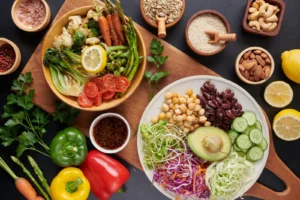
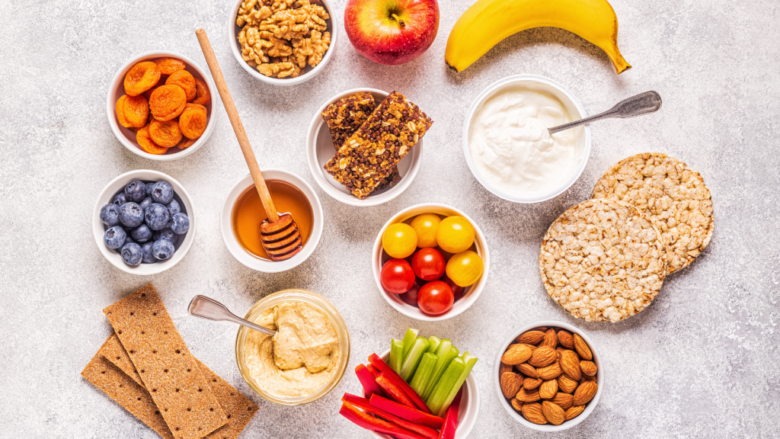
Great energizing snacks include things like apple slices with almond butter, hummus with carrots, or Greek yogurt with berries. These options are naturally rich in nutrients and take longer to digest, so they deliver a slow and steady energy release instead of a quick hit followed by fatigue.
Timing also matters. Ideally, snacks should be eaten when you feel genuine hunger between meals—not out of boredom or habit. For most people, that’s mid-morning and mid-afternoon. Having healthy options on hand makes it easier to avoid vending machine pitfalls or impulsive fast food runs.
Comparing Common Snacks and Their Energy Impact
To help you see the difference between energizing snacks and those that lead to a crash, here’s a chart comparing common options. Each one is around the same calorie count but differs greatly in nutritional quality.
| Snack Option | Calories | Protein (g) | Fiber (g) | Energy Duration |
|---|---|---|---|---|
| Apple with Peanut Butter | 200 | 5 | 4 | Long-Lasting |
| Granola Bar (High Sugar) | 190 | 2 | 1 | Short Burst, Crash |
| Greek Yogurt with Berries | 180 | 12 | 3 | Long-Lasting |
| Chips (1 oz) | 160 | 2 | 1 | Quick, Then Crash |
| Hummus with Carrot Sticks | 170 | 4 | 5 | Long-Lasting |
| Soda and Cookies (Combined) | 220 | 1 | 0 | Spike, Then Crash |
This shows that not all snacks are created equal. Snacks that contain whole food ingredients like fruit, nuts, vegetables, and dairy or plant-based proteins provide better fuel for your body and mind than ultra-processed alternatives.
Easy Snacks to Keep on Hand
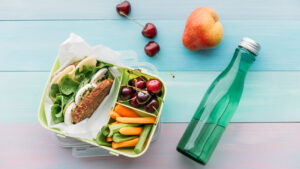
You don’t need to cook elaborate recipes or prepare fancy snack boxes to eat well during the day. Many healthy snacks are simple, quick, and portable. Keep a small stash in your bag, car, or desk drawer so you’re not caught off guard when hunger hits.
Great options include mixed nuts, hard-boiled eggs, roasted chickpeas, fruit with cheese, or even a small smoothie. These can all be prepped ahead of time or purchased in ready-to-eat formats. Pairing carbs with protein or fat helps keep your blood sugar stable and cravings under control.
A rice cake topped with avocado and hemp seeds, a small whole grain wrap with turkey, or even a boiled sweet potato sprinkled with cinnamon can become a smart snack with just a little planning. Try to include snacks that offer at least 3 grams of fiber or 5 grams of protein for best results.
Snacking to Support an Active Lifestyle
If you work out regularly or live a very active life, snacks become even more important. They help refuel muscles, prevent fatigue, and improve recovery. In that case, aim for snacks with a balance of protein and carbohydrates to replenish glycogen and support muscle repair.
A banana with peanut butter after a workout, or a protein shake with fruit and flaxseed, can give your body what it needs to perform and recover well. You’ll not only feel more energized but also reduce your risk of overeating later due to hunger buildup.
Snacks can also prevent that “hangry” feeling that leads to poor food choices. When you keep your body nourished throughout the day, you’re less likely to binge at dinner or graze late at night.
Long-Term Benefits of Healthy Snacking
Choosing smart snacks consistently leads to better overall eating habits. It helps you avoid the trap of skipping meals and then overindulging. It supports blood sugar control, reduces unhealthy cravings, and keeps your metabolism humming.
In the long run, this contributes to better weight management, improved mood, more consistent energy, and reduced risk of chronic diseases. Even if the rest of your day gets hectic or unpredictable, having nutritious snacks ready ensures you stay on track.
Healthy snacking isn’t about eating all day—it’s about fueling your body when it needs a boost. With the right foods and a little preparation, you can stay energized, productive, and satisfied no matter how busy your day becomes.
Frequently Asked Questions
What is the best snack to eat when I feel low on energy?
A combination of complex carbs and protein, like a banana with peanut butter or whole grain toast with avocado, is ideal. It provides quick energy with lasting power.
Are store-bought snacks healthy?
Some are, especially if they contain whole ingredients, low added sugar, and good fiber or protein content. Always read labels and look for snacks with minimal ingredients.
How often should I snack during the day?
If your meals are well-balanced, one or two snacks per day—mid-morning and mid-afternoon—is usually sufficient. Listen to your hunger cues rather than eating on a fixed schedule.
Can snacking help with weight loss?
Yes, healthy snacking can prevent overeating at meals and reduce cravings. Just be mindful of portion sizes and choose nutrient-dense options rather than high-calorie, low-nutrient snacks.
Is fruit alone a good snack?
Fruit is a great start, but pairing it with a protein or fat—like nuts, cheese, or yogurt—makes it more balanced and satisfying, helping to sustain your energy longer.
Are protein bars a good energy snack?
Some are, but many are high in sugar or processed ingredients. Choose bars with natural ingredients, at least 8–10g of protein, and low added sugar for the best energy support.