Why Simple Healthy Eating Matters
Healthy eating doesn’t have to be complicated or dull. In fact, some of the most nutritious meals are also the simplest to prepare. When people hear “healthy food,” they often imagine bland salads, pricey organic ingredients, or long hours in the kitchen. But the truth is, with the right approach and mindset, eating well can be both enjoyable and convenient. It’s about making smarter choices with what’s readily available and learning how to bring out flavor without sacrificing nutrition.
The idea of “better living” through food isn’t just a marketing phrase. The foods we eat influence energy levels, mood, skin clarity, digestion, sleep, and even long-term disease prevention. But more than that, meals can be sources of joy—colorful, tasty, satisfying plates that bring people together and help them feel good from the inside out.
Building a Foundation with Whole Foods
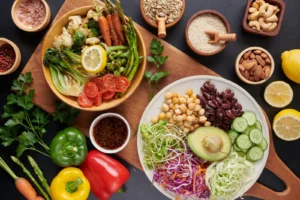
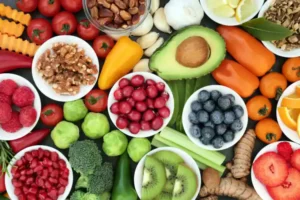
A great starting point for healthy eating is to focus on whole foods—items that are minimally processed and as close to their natural state as possible. Think fresh vegetables, fruits, whole grains, lean proteins, and healthy fats. These form the foundation of any meal plan that supports better living. What surprises many is how versatile and flavorful these ingredients can be when paired thoughtfully.
For instance, a bowl of quinoa tossed with roasted vegetables and a light lemon vinaigrette can rival the comfort of any heavy pasta dish. Or imagine a warm baked sweet potato topped with black beans, avocado, and a dash of cumin—simple, fast, and packed with nutrients. These kinds of meals don’t require chef-level skills or exotic ingredients, just a bit of planning and an openness to experiment with herbs, spices, and textures.
The Power of Meal Prep
An effective way to make healthy meals simpler is by prepping key components ahead of time. Cooking a big batch of brown rice, roasting a tray of seasonal vegetables, or marinating lean chicken or tofu over the weekend can provide ready-made building blocks for fast weekday meals. This method not only saves time but also helps resist the temptation of unhealthy last-minute food choices.
What makes healthy food truly shine is how it supports consistency. Crash diets and extreme restrictions usually don’t last. But when nutritious meals taste great and fit into a regular routine, they become a sustainable part of life. You begin to look forward to that smoothie in the morning or the stir-fry you whip up in 15 minutes after work.
Comparing Healthy and Unhealthy Meals
Let’s look at a simple comparison of meal types to better understand the nutritional advantage of choosing healthier options. Here’s a quick chart illustrating the difference between typical fast-food meals and their healthier homemade alternatives, focusing on calorie count, fiber content, and nutrient density.
| Meal Type | Calories | Fiber (g) | Nutrient Density |
|---|---|---|---|
| Fast-food Burger & Fries | 850 | 4 | Low |
| Grilled Chicken Bowl (Homemade) | 550 | 10 | High |
| Fried Chicken Sandwich | 750 | 3 | Low |
| Lentil & Veggie Wrap (Homemade) | 480 | 12 | High |
| Soda & Pizza Slice | 900 | 2 | Very Low |
| Water + Quinoa Salad with Chickpeas | 520 | 14 | Very High |
As the chart shows, opting for homemade meals using whole foods can significantly improve the quality of your diet without sacrificing satisfaction. Higher fiber content promotes better digestion, while lower calorie intake supports a healthier weight. Nutrient density—how many vitamins and minerals a food offers for the calories it contains—is key to feeling full and energized.
Flavor Without the Guilt
Eating this way doesn’t mean giving up the flavors you love. Many healthy recipes offer satisfying textures and bold flavors by using garlic, ginger, citrus, fresh herbs, chili flakes, and even fermented ingredients like kimchi or miso. Instead of butter, try avocado or olive oil. Instead of sugar-laden sauces, use homemade dressings with yogurt, tahini, or mustard.
Another powerful tip is to cook with the seasons. Seasonal produce tends to be fresher, tastier, and more affordable. In summer, enjoy tomatoes, zucchini, and berries. In fall and winter, lean into squash, kale, and apples. Cooking with the seasons adds variety to your plate and naturally diversifies your nutrient intake.
Mindful Eating for Long-Term Success
There’s also a mental shift that happens when you take time to prepare your own food. You become more mindful of what’s going into your body. You begin to taste flavors more distinctly. Meals become an act of care rather than just a way to refuel.
Eating healthy isn’t about being perfect or rigid. It’s about progress, balance, and making better choices most of the time. It’s okay to enjoy a slice of cake at a celebration or order takeout now and then. What matters most is the day-to-day foundation you build with your meals. The more you simplify the process and remove the stress or pressure, the more likely it is that healthy eating becomes second nature.
To make things even easier, start with a small repertoire of go-to recipes. A veggie stir-fry with brown rice, a smoothie with greens and berries, a one-pan roasted salmon with asparagus—keep a mental or physical list of a few reliable meals you can rotate. As you get more comfortable, you can add new recipes to the mix.
Creating a Lifestyle That Lasts
In the end, food is deeply personal. What feels nourishing and joyful to one person might not be right for another. But the principle remains: healthy food can be simple, satisfying, and absolutely delicious. With just a little planning, creativity, and willingness to try new things, better living through better eating is entirely within reach.
Frequently Asked Questions
What are some quick healthy meals I can make during the week?
Great go-to meals include stir-fries with fresh vegetables and lean protein, whole grain wraps filled with beans and greens, overnight oats with fruit, and smoothie bowls with nuts and seeds.
How do I start eating healthy if I’m on a tight budget?
Focus on affordable staples like beans, lentils, oats, frozen vegetables, and brown rice. Buy produce in season and consider shopping at local farmers’ markets or in bulk when possible.
Can healthy food actually taste good without added sugar or salt?
Absolutely. Natural seasonings like herbs, spices, citrus juice, garlic, and vinegar can bring amazing flavor. Roasting vegetables enhances sweetness, and fresh herbs add brightness.
What’s the best way to meal prep for the week?
Choose a day to cook larger portions of grains, proteins, and vegetables. Store them in containers and mix and match throughout the week. Keeping dressings and toppings separate helps maintain freshness.
Are smoothies a healthy meal replacement?
They can be, if they contain a balance of protein, healthy fat, fiber, and minimal added sugar. Use ingredients like Greek yogurt, chia seeds, leafy greens, and berries for a well-rounded option.
Is it okay to eat carbs on a healthy diet?
Yes, especially complex carbs like quinoa, brown rice, oats, and whole grain bread. These provide essential energy, fiber, and nutrients your body needs for daily function.