Eating healthy doesn’t always mean buying expensive superfoods or turning your life upside down. Small, regular choices—simple changes that you can easily make without spending more money or giving up tasty foods—can often make a big difference. These changes can help you save calories, improve your diet, and take care of your overall health in a manageable way.
Sticking to a food swap plan is easy because it doesn’t mean giving up your favorite foods. Instead, you can improve the things you’ve been eating. You’ll still eat pancakes, sandwiches, snacks, and pasta, but you’ll make smarter choices with more fiber, less sugar, and fewer empty calories.
The best news? Many good changes can help you save money. Whole foods tend to keep you full longer, so you don’t always have to snack or order takeout. With just a few smart changes, you can stock your kitchen every day with foods that help your body function better.
Simple Changes for Smarter Eating
Let’s talk about breakfast first. If you normally eat sugary cereal, try oatmeal with fresh fruit. It’s easy to make, has more fiber, fewer chemicals, and provides longer-lasting energy. Choose whole wheat or sprouted bread for toast instead of white bread. It’s just as easy, but has more fiber, vitamins, and minerals.
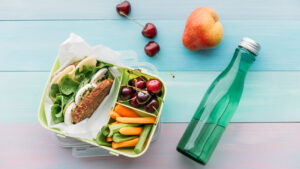
Another easy tip is to eat a sandwich for lunch. You can reduce salt and excess fat by eating grilled chicken or beans instead of processed meat. If you choose Greek yogurt instead of sweetened yogurt, you’ll get more nutrients and less sugar. These changes are small, but they’re important.
After dinner, there’s still room for improvement. You can swap white rice for brown rice or quinoa. Replace heavy, creamy dressings with a light salad with olive oil or avocado. Skip the butter or salt and season with herbs and spices. You’ll still have delicious meals, but they’ll be made with higher-quality ingredients and better for your health in the long run.
People often break their snacking habits, but even then, small changes can help. Eat popcorn instead of chips. Eat apple slices with peanut butter instead of candy. Drink water or green tea instead of soda. These changes are easy to maintain, don’t cost much, and can make you feel happy.
Comparison of Daily Food Substitutes
This table shows some popular foods and their healthier alternatives so you can see how these small changes can have a big impact on your health. These changes affect calories, sugar, fiber, and overall health benefits.
| Original Item | Healthier Swap | Calories Saved | Fiber Gained | Key Benefit |
|---|---|---|---|---|
| White Bread | Whole Grain Bread | 40 | +2g | More nutrients, fiber |
| Soda (12 oz) | Sparkling Water | 140 | 0g | Zero sugar |
| Potato Chips (1 oz) | Air-Popped Popcorn (3 cups) | 80 | +2g | Lower fat, more volume |
| Ice Cream (1 cup) | Frozen Banana “Nice Cream” | 150 | +2g | Less sugar, no dairy |
| White Rice (1 cup) | Quinoa (1 cup) | 20 | +3g | More protein & minerals |
| Flavored Yogurt | Plain Greek Yogurt + Fruit | 100 | +1g | More protein, less sugar |
These numbers show that even a few daily swaps can lead to hundreds of saved calories and added nutrients per week. That’s without counting the long-term benefits like lower blood sugar, better digestion, and reduced cravings.
Live within your budget
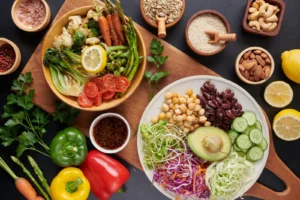
Many people think that healthy living costs a lot of money. On the other hand, many healthy dietary changes cost less in the long run. A bag of oatmeal lasts longer and costs less than a box of sourdough breakfast. Making a big pot of lentil soup at home is cheaper than buying frozen or take-out, and it’s enough for many people. Buying whole foods like beans, rice, eggs, and vegetables gives you more control over the ingredients, saves you money, and gives you more choices.
Frozen foods are another way to save money. Frozen berries, spinach, and mixed greens are often cheaper and just as healthy as fresh ones. Rinsed canned beans are an easy and inexpensive way to get protein and fiber. If you shop smart and choose foods that can be used in a variety of ways, you can create healthy meals that fit your budget and plan.
Creating a meal plan can also help. It’s best to plan your meals in advance so you don’t waste food, cook at home, or make bad decisions on the spot. You can reduce food waste and try new healthy combinations by simply writing down three dinners a week.
Enjoy the process, not perfection
Remember: Healthy living doesn’t have to be perfect. It’s about progress. You don’t have to give up your favorite foods or follow a strict diet. If you love pizza, try making it at home with more vegetables and a whole grain crust. If you like pasta as a comfort food, try lentil or chickpea pasta for more fiber and protein.
It’s important to make the right decision most of the time. By cutting out processed snacks, sugary drinks, and empty carbs a few times a week, you’ll have more energy, less hunger, better digestion, and even brighter skin. And because these changes are so easy to make, you won’t feel like you’re giving anything up.
To stay motivated, keep a food journal or take pictures of what you eat and keep them in a notebook. Looking back on the progress you’ve made and how good it feels to take care of your body in an effective and sustainable way can help you remember your progress.
Build a lifestyle that lasts
AAfter a while, switching to healthy eating will feel like second nature. YYour habits will improve, and your taste buds will change. OOver time, you may want to reduce your sugar intake and appreciate the flavors of whole foods more. This will also make you feel better: less bloated, more energy, and the ability to control your portion sizes.
HHealthy eating doesn’t have to be difficult or expensive. If you’re creative and willing to try new things, you can turn everyday foods into powerful tools for better health. One small change at a time.
Questions people ask
What are the easiest healthy changes to make in your diet?
A simple and effective way to start is to replace white bread or rice with whole grains. It provides fiber, keeps you feeling full, and helps your digestive system function better without making major changes to your diet.
Are frozen fruits and vegetables just as good as fresh?
Yes. Most frozen produce is picked at its ripest point and flash-frozen, which preserves most of the nutrients. Frozen produce is also cheaper and has a longer shelf life than fresh produce.
How can I satiate my sweet taste without overindulging?
Freeze bananas and make “delicious ice cream.” You can also mix fruit with dark chocolate or dates with nut butter. These options are naturally sweet and packed with nutrients.
Should I cut out all processed foods for my health?
Not at all. The goal is to find a balance. While you should try to eat less processed foods and more whole foods, you can still indulge in treats and comfort foods every now and then.
What good changes can help you lose weight?
You can lose weight naturally and sustainably by simply replacing sugary drinks with water, refined grains with whole grains, and high-fat snacks with fruit or nuts.
Does healthy eating cost more?
Not always. Oats, beans, rice, eggs, frozen vegetables, and other staples are cheap and nutritious. Meal planning and cutting down on waste can also save you money in the long run.