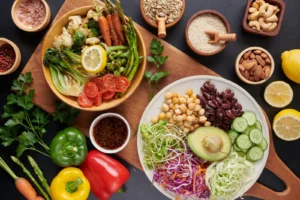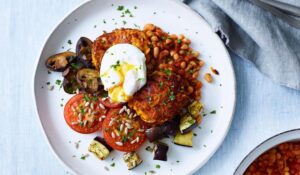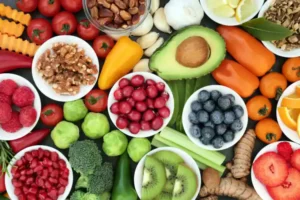
Clean eating isn’t a plan, it’s a lifestyle that focuses on eating unprocessed, mostly raw foods. Think carefully about the foods you eat and choose foods that are as close to their original state as possible. The goal is easy to understand: nourish your body with real foods that can heal, provide energy, and support your overall health.
Clean living essentially means eating less processed foods, added sugars, artificial chemicals, and refined carbohydrates, and more fruits, vegetables, whole grains, lean meats, and healthy fats. Clean living isn’t about striving for perfection or following strict rules, but about making smarter, more sustainable decisions.
For many people, clean living is an open and balanced approach to eating. It allows you to enjoy food without having to track every calorie or eliminate entire food groups. Instead, it encourages people to be more mindful, conscious, and aware of what they eat. Clean eating isn’t a quick fix, it’s a mindset that can improve your long-term health and change the way you think about food.
Fill your plate with healthy foods
A simple meal plan is the best way to get started with clean eating. Focus on foods that are real and don’t have too many other ingredients added. Skip the chicken nuggets and go for oatmeal; skip the fries and go for roasted veggies.
Choosing whole foods often avoids many of the problems with processed foods, such as hidden sugars, bad fats, excess sodium, and empty calories. Clean eating is typically rich in fiber, vitamins, minerals, and antioxidants. These help reduce inflammation in the body, keep you feeling fuller for longer, and keep your blood sugar levels stable.
It’s also easier to control portion size when you’re eating well. Whole foods naturally prevent you from overeating because they make you feel full. Clean eating is easier to understand and enjoy because you’re focusing on quality rather than restriction.
Placing Clean Foods Next to Highly Processed Foods
There is a big difference between clean living and a normal diet full of processed foods. Check out the image below for more information. It compares calories, added sugars, salt, and nutritional value to see how different foods stack up against each other.
| Food Choice | Calories | Added Sugar (g) | Sodium (mg) | Nutritional Quality |
|---|---|---|---|---|
| Steel-Cut Oats with Banana | 250 | 0 | 5 | High |
| Flavored Instant Oatmeal Packet | 210 | 12 | 220 | Low |
| Grilled Chicken Breast | 165 | 0 | 75 | High |
| Breaded Chicken Tenders | 300 | 2 | 600 | Low |
| Roasted Sweet Potato | 180 | 0 | 50 | High |
| Packaged Potato Chips (1 oz) | 160 | 1 | 180 | Low |
| Fresh Fruit Salad | 120 | 0 | 0 | Very High |
| Packaged Fruit Snack (1 pouch) | 100 | 13 | 30 | Very Low |
This comparison highlights how clean foods offer greater nutritional value and fewer additives, even when calorie counts are similar. The difference lies in the ingredients and how your body responds to them.
Healthy Eating on a Budget
A common misconception is that healthy eating costs a lot of money. Some organic or specialty foods may be more expensive, but many of the things you need for a healthy diet are not that expensive. Oats, rice, beans, lentils, eggs, bananas, frozen vegetables, and sweet potatoes are all inexpensive and very healthy.
Shopping wisely is important. Buying in bulk, choosing seasonal ingredients, and planning meals in advance can save you money and reduce waste. You can also buy frozen fruits and vegetables. These are often just as healthy as fresh ones, and are cheaper, especially when some ingredients are out of season.
Another way to save money on healthy eating is to cook at home. Cooking at home gives you more control over your ingredients and is cheaper than eating out or buying ready-made meals. You’ll be surprised how much money you can save by making simple meals with real ingredients.
You don’t have to sacrifice delicious food to eat healthy
A clean eating plan doesn’t have to be boring. Real food is delicious on its own, and it tastes even better when you add herbs, spices, fruits, and healthy oils. Some cooking methods, such as grilling, steaming, sautéing, and baking, bring out the natural flavors and textures of food, making it even more delicious.
You can make your own salads and sauces with ingredients like olive oil, vinegar, lemon juice, garlic, and herbs instead of buying ready-made sauces. In a pinch, you can use honey or dates as a natural sweetener, but fruits and spices like cinnamon and nutmeg usually work too.
Once your taste buds get used to ready-made meals, you may find them too sweet or too salty. One of the benefits of a clean lifestyle is that it helps you reconnect with the taste of real food.
Make a habit of eating healthy
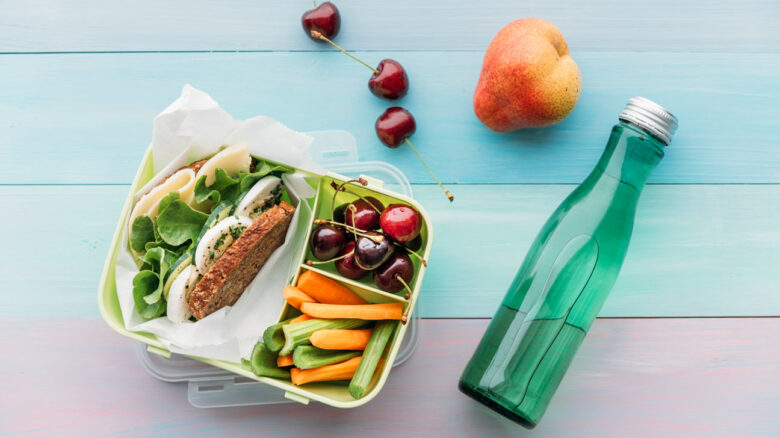
Start with one meal. This is the easiest way to start eating clean. Breakfast is the first thing you should change. Instead of cereal, try oatmeal, whole wheat toast, or coffee creamer with sugar, or almond milk or cinnamon. Then make your own salad, bowl of cereal, or a simple whole grain wrap for lunch. For dinner, bake some meat, roast some veggies, and serve with a whole grain cereal like brown rice or quinoa.
Healthy snacking is also easy. Swap out chips for nuts or hummus for veggies. Swap out chocolate bars for dark chocolate or fresh fruit. Another change is to drink more water and fewer sugary drinks.
You don’t have to be perfect, just stick with it. As you make healthy eating choices more often, it will feel more natural. You’ll crave more delicious foods, have more energy, and feel satisfied with your diet instead of restricting yourself.
FAQ
What does “clean eating” actually mean?
Clean eating means focusing on whole, unprocessed foods that are as unprocessed as possible. It tells you to eat fresh fruits and vegetables, whole grains, lean meats, and healthy fats without added fake ingredients, chemicals, or excess sugar or salt.
When you eat clean, do you eat organic?
Not always. Whole foods aren’t the only thing that makes up a clean diet; how the food is prepared is also very important. If you cook at home and focus on whole foods, you can eat clean even if you don’t buy all organic.
Can I still eat carbs on a clean eating plan?
Yes. Oats, brown rice, quinoa, and sweet potatoes are all complex carbs that are part of a clean lifestyle. Unlike processed carbs like white bread or sugary snacks, they provide you with energy and important nutrients.
Do I need to track my calories when I eat clean?
Not often. It’s easy for many people to eat moderate amounts because clean foods are more filling and nutritious. Still, it helps to pay attention to hunger cues and watch your intake.
How can I resist the urge to eat convenience foods?
Decide what you want—salt, sugar, or crunch—and look for healthy options. Your tastes will change over time as your body adjusts to a healthier way of eating.
Should you choose a clean diet to lose weight?
Yes. Clean eating can help you lose weight by reducing empty calories and making you feel full. It also aids digestion, regulates blood sugar levels and provides more energy, all of which are good for a healthy body.