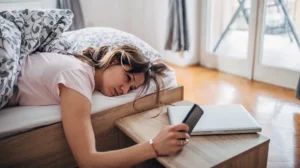

When most people go to bed, their main concern is how much sleep they’re getting. The quality of your sleep and how well your body feels in the morning largely depends on how you sleep. Neck pain, back pain, heartburn, and even breathing problems can all be caused by poor sleeping posture. The right sleeping position can keep your back straight, relieve pressure on your joints, and improve circulation.
When it comes to sleep, support and comfort are equally important. Your body needs to fully relax at night to recover and do the important things. When your muscles are tense or your posture is off, this process slows down. You may not even realize that your sleeping position is making you constantly tired or stiff until it starts.
Every body is different, and the best sleeping position for you depends on your health, the type of mattress you use, and your comfort level. But with a few small changes and the right tools, like pillows and a supportive mattress, you can train your body to wake up straighter and feel better every morning.
The Best Sleeping Position and Who It’s For
Let’s take a look at the most popular sleeping positions and how they can benefit your health and comfort. Whether you prefer to sleep on your back, side, or stomach, there’s a way to make your favorite sleeping position even better for your body.
| Sleep Position | Benefits | Best For | Things to Watch Out For |
|---|
| Back (Supine) | Promotes spine alignment, reduces wrinkles | Back pain, neck pain, minimizing facial pressure | May worsen snoring and sleep apnea |
| Side (Fetal or Straight) | Reduces heartburn, good spinal support | Acid reflux, pregnancy, general comfort | Use pillow between knees for hip alignment |
| Stomach (Prone) | May reduce snoring temporarily | People who snore and don’t have neck issues | Can strain neck and lower back |
| Starfish (Back with arms up) | May reduce pressure on lower back | Lower back pain relief | Can cause shoulder discomfort |
| Log (Side, arms straight) | Keeps spine straight, prevents acid reflux | Consistent alignment for most adults | Needs proper head and neck support |
If you don’t snore or have sleep apnea, sleeping on your back may not be the best option for your spine. If you have a firm couch and pillows, sleeping on your side is usually the best option. Because sleeping on your stomach puts pressure on your neck, sleeping on your side is not the best option. However, if you only feel comfortable sleeping on your stomach, there are ways to minimize its negative effects.
Side sleeping is a popular option that can be improved in several ways
The most common sleeping position is sleeping on your side, and for good reason. It helps keep your spine straight, especially with a pillow between your knees. Pregnant women often recommend sleeping on your side to alleviate heartburn.
To improve your side sleep, keep your knees slightly bent and your neck straight. Don’t pull your knees up to your chest. Placing a pillow or small cushion between your knees can help keep your hips straight. This will help prevent back pain in the long run.
Sleeping on your left side is the best option if you suffer from indigestion or heartburn. If you experience pain in your left shoulder or hip, it might be better to sleep on your right side. Switch sides regularly to keep the pressure even.
Sleeping on your back is good for your spine, but it can be difficult if you snore
When you sleep on your back, your neck, head, and spine are in a normal position. This prevents facial wrinkles from coming into contact with the pillow and takes pressure off your shoulders. If you suffer from lower back pain, this position can help, as long as the mattress supports the natural curvature of your spine.
Placing a pillow under your knees can relieve lower back pain and help you stand up straighter. To prevent your neck from rising, using a flat or adjustable neck pillow can also help.
However, not everyone should sleep on their back. If you snore or have sleep apnea, lying flat can make these problems worse. In that case, try elevating your head with a movable bed or wedge pillows to keep your lungs open.
Sleeping on your stomach is the worst sleeping position
Sleeping on your stomach is generally the worst sleeping position for your spinal balance. Your neck bends to one side, causing a stiff neck and constant pain. Your spine also bends, putting pressure on your back and hips.
If you really want to sleep on your stomach, there are ways to make sleeping on your stomach easier. To prevent a tilted neck, you can place a very thin pillow under your head, or nothing at all. To support your lower back, you can also place a small pillow under your hips.
If you don’t have neck problems, this position may help you stop snoring. However, it’s best to use this position only occasionally or as a temporary position while you train your body to sleep on your side or back.
Adjust your bed for a comfortable position
No matter what sleeping position you prefer, it’s important to adjust your bed correctly. It’s crucial to find a mattress that supports your natural balance and isn’t too soft or too firm. For side sleepers, a medium-soft mattress that supports your shoulders and hips is the best choice. Back sleepers need some support to maintain the curvature of their spine. Stomach sleepers usually need a firmer mattress to prevent sinking.
Pillows are also more important than most people think. You shouldn’t tilt your head too high or too low on the pillow. The pillow’s height should be right between your head and it. Certain types of pillows, including neck pillows, wedge pillows, and knee pillows, can provide relief for some individuals.
Also, consider body awareness. Your body is telling you something by giving you pain or numbness when you wake up. Listen to it and try to make small changes over time instead of big changes that might not feel right.
Frequently Asked Questions
What is the best way to sleep in general?
Sleeping on your back with proper support is best in most cases to keep your spine straight. Sleeping on your side, with a pillow between your knees, is a close second and more practical for most people.
Can I teach myself to sleep differently?
Certainly, but it will require some time. Pillows can help keep your spine straight and avoid uncomfortable positions. A pillow can help you sleep on your side.
Is sleeping on your stomach really that bad?
You may have back and neck pain. Only a thin pillow (or no pillow) and a small pillow under your hips can help you sleep.
What kind of pillow should I buy?
It depends on how you sleep. Side sleepers need a firmer, thicker pillow to keep their neck straight. Back sleepers need a soft, firm pillow. Stomach sleepers should or ask your nurse.
Is it normal to change positions during the night?
It is not unusual at all. Many people move a few times. As long as your main person is helping you, it is okay to change positions occasionally.