
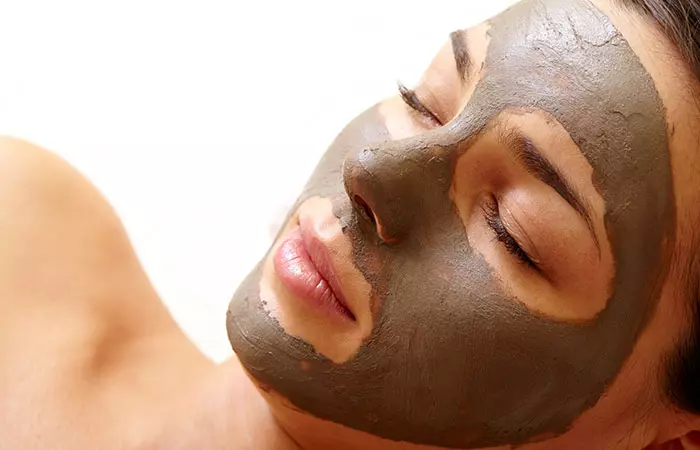
You don’t have to go to the spa or spend a fortune on skin care to get glowing skin. In fact, you probably already have some of the best skin care products in your kitchen. Making your own natural face masks is a gentle, affordable, and fun way to pamper your skin and get a natural glow. If you choose the right mask, these home remedies can be just as effective as store-bought ones, without the added chemicals or high prices.
What makes homemade skin care so successful is that you have control over every ingredient. You know your skin and can customize the recipe to your skin type and concerns. There’s a simple formula that will smooth, improve, and deeply nourish your skin, whether you have dry, oily, sensitive, or acne-prone skin.
Applying a face mask is another way to pamper yourself. Masks allow you to relax, feel comfortable, and soak up the nutrients from your face. In just 15 to 20 minutes and with a few simple things, you can transform your bathroom into your own personal spa.
Why are natural products so effective? Natural products are packed with vitamins, antioxidants, and enzymes that are good for your skin and help keep it hydrated, repaired, and radiant. Because they are not processed much, they are often better for your face and retain more active nutrients. Plus, most products do more than just cleanse or moisturize; they often do both.
For example, honey is a natural moisturizer that attracts moisture and kills bacteria at the same time. The lactic acid in yogurt gently exfoliates, and turmeric helps reduce puffiness and even out skin tone. Oatmeal soothes sensitive skin and helps strengthen the top layer of skin. These ingredients work long-term beneath the skin’s surface to improve smoothness, clarity, and radiance. They are also very comfortable to apply to your face.
You can also vary the effects of homemade masks. Depending on what your skin needs that day, you can mix different base products with strengthening ingredients such as avocado, banana, green tea, or even aloe vera. Plus, unlike many store-bought masks, homemade masks don’t contain any fragrances, chemicals, or harsh ingredients.
There are tons of recipes you can try, but some recipes have been around for centuries. Here are some of the best face masks you can make at home and how they work for your skin.
| Mask Ingredients | Skin Benefits | Skin Type | How Often to Use |
|---|---|---|---|
| Honey + Yogurt | Hydrating, calming, gentle exfoliation | Dry, sensitive | 1–2x per week |
| Banana + Turmeric + Honey | Brightening, anti-inflammatory, smoothing | Dull, uneven | 1x per week |
| Oatmeal + Aloe Vera + Cucumber Juice | Soothing, cooling, redness-reducing | Irritated, sensitive | 2x per week |
| Avocado + Olive Oil + Raw Honey | Deep hydration, antioxidant-rich | Dry, mature | Weekly |
| Green Tea + Rice Flour + Yogurt | Anti-aging, toning, gentle exfoliation | Combination | 1–2x per week |
| Egg White + Lemon Juice + Honey | Tightening, oil-balancing, pore-refining | Oily, acne-prone | 1x per week |
| Papaya + Honey + Milk | Brightening, enzymatic exfoliation | Dull, congested | Weekly |
These recipes are easy to mix together in a small bowl and apply with clean fingers or a brush. Leave the mask on for about 15–20 minutes, then rinse with lukewarm water and follow with your regular moisturizer. Always patch-test new ingredients to avoid unexpected reactions.
Making Your Mask Routine Work for You
A consistent DIY masking routine can make a noticeable difference in your skin’s smoothness and radiance. The key is not to overdo it. Using masks too frequently—especially those with strong active ingredients like lemon juice or turmeric—can irritate or disrupt your skin’s barrier.
Stick to once or twice a week, and use that time to relax. While the mask does its work, take deep breaths, sip some herbal tea, and let your nervous system unwind. This helps not just your skin but your whole body reset.
When you make a mask, always use fresh ingredients and clean utensils. If you have leftovers, store them in the fridge and use within 1–2 days—natural ingredients don’t contain preservatives and can spoil quickly.
Over time, as your skin becomes more hydrated and balanced, you may notice you need less concealer, your texture becomes smoother, and your tone more even. The glow you achieve is real—it’s the result of treating your skin with gentle, consistent care.
Supporting Skin Radiance from the Inside
While DIY masks can do wonders topically, their effects are enhanced by what you eat and drink every day. Hydration, antioxidant-rich foods, and good sleep all work in tandem with your skincare efforts.
Add more water-rich fruits and vegetables to your meals, like cucumbers, watermelon, and oranges. Include healthy fats from nuts, seeds, and avocados to nourish your skin’s lipid barrier. Limit processed foods and excess sugar, as they can increase inflammation and lead to breakouts or dullness.
Glowing skin is a reflection of your inner balance. When you combine wholesome foods, clean water, good rest, and natural skincare like DIY masks, your skin will reflect that effort with more clarity, softness, and light.
Frequently Asked Questions
Are DIY face masks really effective?
Yes, when made with the right ingredients for your skin type, DIY masks can be very effective. They hydrate, brighten, soothe, and gently exfoliate—often without the harsh chemicals found in store-bought options.
How often should I use homemade face masks?
Once or twice a week is ideal. Overuse can lead to irritation, especially if the mask includes ingredients like citrus or turmeric. Always follow with moisturizer to lock in the benefits.
Can I store leftover DIY masks?
Most homemade masks should be used immediately. If you have leftovers, store them in an airtight container in the fridge and use within 1–2 days. Discard if the texture or smell changes.
What’s the best DIY mask for acne-prone skin?
A mix of honey (antibacterial), turmeric (anti-inflammatory), and yogurt (gentle exfoliant) works well. You can also add a drop of tea tree oil, but patch-test first to avoid irritation.
Can I mix ingredients from different recipes?
Yes, but be cautious. Some ingredients—like lemon juice—can be irritating in excess. Start simple with 2–3 ingredients and test how your skin responds before experimenting further.
Is it safe to use raw ingredients like egg or milk on the face?
While many people use them without issue, raw eggs or milk do carry a small risk of bacteria. Always use fresh, clean ingredients and avoid applying near the mouth or broken skin.