
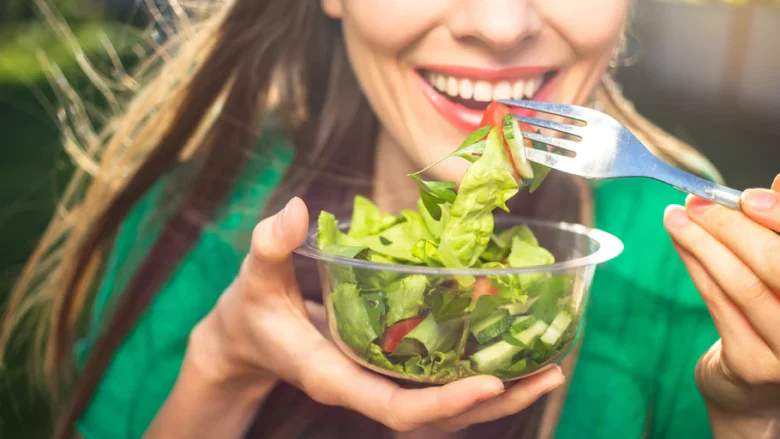
You may have heard the saying, “You are what you eat,” and it’s true when it comes to your face. Many skincare products can help, but true beauty starts with what you eat. Your skin looks healthy, bright, and youthful from the inside out. The foods you eat every day nourish your face.
Your skin is the largest organ in your body and needs the right nutrition to stay healthy. Your skin will look better if you eat foods rich in vitamins, enzymes, and healthy fats. These nutrients help with cell repair, retain moisture, build collagen, and protect against environmental damage.
A nutrient-rich diet helps control inflammation, eliminate acne, maintain skin elasticity, and slow the aging process. On the other hand, consuming too much sugar, processed foods, and cheese can make your face look dull, inflamed, or prone to breakouts. The key is not to strive for perfection, but to eat more of the right foods that will benefit your facial health from the inside out.
The Best Foods for Your Skin
When it comes to skin health, there are some foods that stand out. Some of these foods contain compounds that directly help improve the structure and function of your skin. Many of them you probably already have in your home or can easily add to your favorite dishes.
For example, avocados are high in good fats that keep your skin hydrated and help your body absorb fat-soluble vitamins A and E. Berries, especially strawberries and blueberries, are rich in antioxidants that fight free radicals and reduce puffiness. This keeps your face looking youthful and fresh.
Fish high in omega-3 fatty acids, such as salmon, mackerel, and sardines, are high in omega-3 fatty acids. These fatty acids help maintain the skin’s lipid barrier, reduce redness, and increase hydration. On the other hand, beta-carotene, a form of vitamin A found in sweet potatoes, carrots, and squash, helps keep your skin healthy and even-toned.
Seeds and nuts, such as flaxseeds, chia seeds, walnuts, and almonds, are high in vitamin E, zinc, and more omega-3 fatty acids, which are essential for healthy, supple skin. Leafy greens, such as spinach and kale, are high in vitamins C and K, iron, and dietary fiber, which help your body flush out toxins and build collagen.
Health Benefits of Skin-Friendly Foods
To help you understand the benefits of these foods for your skin, here’s a simple chart of some of the best foods, along with their key nutrients and skin benefits.
| Food | Key Nutrients | Skin Benefit |
|---|---|---|
| Avocado | Healthy fats, vitamin E, C | Hydration, elasticity, glow |
| Blueberries | Antioxidants, vitamin C | Fights free radicals, brightens skin |
| Salmon | Omega-3s, protein, selenium | Reduces inflammation, locks in moisture |
| Sweet Potatoes | Beta-carotene, vitamin A | Promotes cell turnover, natural glow |
| Spinach | Vitamins A, C, K, folate | Detox support, collagen synthesis |
| Walnuts | Omega-3s, zinc, vitamin E | Strengthens skin barrier, reduces acne |
| Bell Peppers | Vitamin C, beta-carotene | Boosts collagen, improves texture |
| Sunflower Seeds | Vitamin E, selenium, magnesium | Protects against UV damage |
| Green Tea | Polyphenols, catechins | Reduces redness, improves hydration |
| Watermelon | Water, lycopene, vitamin C | Hydration, reduces puffiness |
These foods offer a wide range of skin-loving benefits, and incorporating even a few of them regularly can make a noticeable difference over time. They work together to keep your skin protected, vibrant, and well-nourished from the inside out.
How to Incorporate These Foods into Your Daily Routine
You don’t have to change your entire diet to see a difference in your appearance. Start by adding some of these foods to your favorite snacks and meals. A drink with chia seeds, greens, and berries is a great way to start the day. Have it with an avocado salad for lunch, or grilled salmon instead of meat.
Sunflower seeds can be eaten as a snack or dip. Bake peppers with fresh vegetables for dinner. End the day with a cup of green tea. You can also have a healthy dessert. For example, you can bake with sweet potatoes or make a power snack at home with walnuts.
Choose a varied diet. Your skin will get more nutrients from colorful, nutritious foods. Hydration is just as important. Drink plenty of water throughout the day and eat produce like tomatoes, oranges, and vegetables to keep your body hydrated.
Other Lifestyle Aspects That Can Keep Your Skin Healthy
Diet is an important part of your skin’s health, but other things you do every day can also affect it. Sleep helps your skin heal and regenerate, and regular exercise boosts circulation and flushes out toxins. Another important factor is reducing your worries. Otherwise, stress hormones can cause redness and acne.
The best way to keep your skin clear, firm, and beautiful is to eat whole foods, get plenty of rest, exercise more, and learn to manage stress. When you take care of your body, your skin will glow, tone, and grow stronger.
Think of your diet as your daily facial. Every bite you eat can improve your skin. When you nourish your body with whole, plant-based, anti-inflammatory foods, your face will thank you with a glow that no face cream can match.
FAQ
How long does it take for changes in my diet to show on my skin?
Within two to four weeks, you should start to notice subtle improvements, such as better hydration and fewer breakouts. It can take six to eight weeks to see noticeable changes in your skin tone and texture, especially if you eat a healthy diet every day.
Will drinking more water really improve my skin?
Yes. Water is essential for keeping your skin soft and glowing. Water alone won’t cure dry skin, but it can help keep your body’s moisture levels balanced, especially when combined with a water-rich diet.
Is dairy bad for your face?
Hormones and inflammatory chemicals in dairy products, especially milk, can aggravate acne in some people. If you think there’s a connection, try cutting out or reducing dairy for a few weeks to see if your face improves.
What vitamins are best for healthy skin?
Vitamins A, C, E, and K are some of the most important. Copper and omega-3 fatty acids are also important. These nutrients help the body produce collagen, which protects skin from damage and improves skin texture and tone.
Does sugar really make your skin look worse?
Yes. Glycation is a process that breaks down collagen and accelerates aging, and it happens when you consume too much sugar. Cutting back on excess sugars can help clear and firm your skin, as they can cause redness and breakouts.
Can vitamins replace foods to nourish your skin?
If you have a vitamin deficiency, supplements can help, but in general, whole foods work better. They are packed with a variety of nutrients, fiber, and vitamins that work together to optimally nourish your skin.