Busy weeks don’t have to mean frozen pizza and vending machine lunches. Meal prepping can be your secret weapon for eating well even when life is chaotic. It’s not about eating bland containers of chicken and broccoli for days—it’s about planning ahead with flavorful, nourishing meals that save time, reduce stress, and help you avoid unhealthy choices.
When your fridge is stocked with balanced, ready-to-eat meals, it’s much easier to stick to your health goals. You’re not left wondering what to cook after a long workday or reaching for fast food just because it’s quick. With just a couple of hours over the weekend—or even one focused evening—you can prep meals for several days and reclaim your time and energy.
The beauty of meal prep is that it’s completely customizable. Whether you’re feeding a family, cooking for one, following a plant-based diet, or just trying to cut back on takeout, meal prepping can be adapted to your routine. It doesn’t require fancy containers, endless ingredients, or complicated recipes. It just requires a plan and a little consistency.
The Keys to Building Balanced Meals Ahead of Time
Meal prep that supports your health should focus on balance. That means making sure every meal includes a source of protein, fiber-rich carbs, healthy fats, and colorful vegetables. When these components are in place, your meals keep you full, satisfied, and energized—without the mid-day crash or late-night cravings.
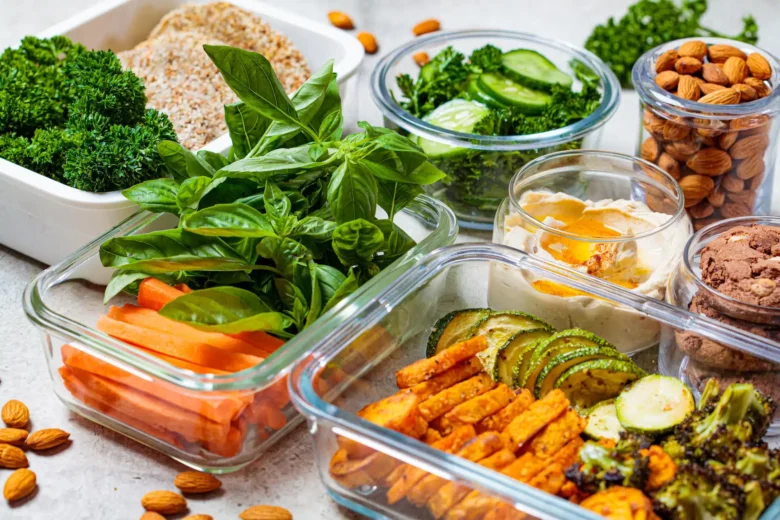
Start by choosing a couple of base ingredients you can mix and match. Cook a batch of brown rice, quinoa, or roasted sweet potatoes. Prepare proteins like grilled chicken, tofu, lentils, or hard-boiled eggs. Then, roast or steam vegetables in bulk—like broccoli, carrots, zucchini, or bell peppers. These staples can be combined in countless ways throughout the week.
Dressings, sauces, and seasonings make a big difference in keeping meals exciting. Use herbs, spices, citrus juice, and healthy oils to create variations of the same base. One day, your bowl might be Mediterranean with lemon, hummus, and olives; the next, it’s Asian-inspired with sesame oil and ginger.
Comparing Meal Prep to Last-Minute Eating
To see the nutritional value of meal prep compared to grabbing whatever’s easiest, take a look at this breakdown. It shows common lunch options and how they stack up against a prepped meal in terms of calories, protein, and fiber.
| Meal Choice | Calories | Protein (g) | Fiber (g) | Nutritional Quality |
|---|---|---|---|---|
| Prepped Chicken Bowl w/ Quinoa & Veggies | 500 | 35 | 9 | High |
| Fast Food Burger & Fries | 850 | 22 | 3 | Low |
| Store-Bought Salad (Dressing Included) | 700 | 18 | 4 | Medium |
| Homemade Lentil Soup + Side Salad | 450 | 22 | 10 | High |
| Microwave Pasta Meal | 750 | 15 | 2 | Low |
It’s clear that when you prep ahead, you not only save money but also make meals that are lighter in calories, higher in fiber and protein, and free from hidden additives or excess sodium. Plus, you’re more in control of portions and ingredients, which helps with weight management and overall health.
Meal Prep Doesn’t Mean Eating the Same Thing All Week
One of the biggest misconceptions about meal prep is that it’s repetitive. But prepping doesn’t mean you need to eat identical meals every day. You can prep components instead of full meals. Think of it like stocking your own salad bar or grain bowl station. Prepare the elements—grains, proteins, veggies, sauces—and mix them in new ways throughout the week.
For example, roasted sweet potatoes can go into a veggie taco on Monday, a breakfast hash on Wednesday, and a grain bowl on Friday. Grilled chicken can top a salad one day, be tossed into a stir-fry the next, and wrapped in a tortilla later in the week. This method gives you flexibility without requiring you to cook every night.
You can also freeze some meals to keep things fresh. Soups, stews, and casseroles freeze well and reheat beautifully. Having two or three frozen meals on hand acts as a backup plan for days when you’re just too busy or tired to think about cooking.
Tips to Make Meal Prep Easier and More Enjoyable
To keep meal prep sustainable, don’t overcomplicate it. Start small with just prepping lunch or breakfast for the week. Use simple recipes with ingredients you enjoy. A few well-seasoned meals you look forward to are better than a fridge full of food you won’t eat.
Make it fun by putting on music or a podcast while you prep. Use containers that keep your food fresh and easy to grab. Organize your fridge so meals are visible and accessible. Consider theme days to add variety—like Taco Tuesday or Stir-Fry Thursday.
Batch cooking on Sunday or breaking it into two shorter sessions during the week (like Sunday and Wednesday) can make it feel less overwhelming. Over time, you’ll build a rhythm and find what works best for your schedule and appetite.
The Long-Term Benefits of Planning Ahead
When you commit to regular meal prep, you’re not just improving your diet—you’re improving your lifestyle. You reduce food waste, save money, spend less time making decisions, and develop a healthier relationship with food. You also build skills and habits that support lasting wellness.
Meal prep also helps reduce decision fatigue. Knowing what’s already made in your fridge removes the mental burden of daily food choices. That frees up energy for everything else—your job, your workouts, your family, or simply relaxing after a long day.
Even if you start with one or two prepped meals a week, you’ll notice a difference in how you feel. You’ll have more control, better nutrition, and less stress around food. And that’s the kind of progress that really sticks.
Frequently Asked Questions
How many meals should I prep each week as a beginner?
Start with prepping just three to four meals for the week—perhaps lunch Monday through Thursday. Once you find a rhythm and figure out what you like, you can scale up.
How long can meal prep meals last in the fridge?
Most prepped meals are safe to eat within 3 to 4 days when stored properly in airtight containers. Some items like cooked grains and roasted vegetables can last a bit longer.
Can I freeze meal prep meals?
Yes. Meals like soups, stews, chilis, and cooked proteins freeze well. Just make sure they’re fully cooled before freezing and use containers designed for freezing to prevent freezer burn.
What are good snacks to prep for the week?
Hard-boiled eggs, cut veggies with hummus, homemade trail mix, overnight oats, or fruit with nut butter are great prep-ahead snack options.
Is meal prep only for people trying to lose weight?
Not at all. Meal prep is for anyone who wants to save time, eat healthier, or stick to a specific way of eating—whether it’s for energy, convenience, performance, or wellness.
What if I get bored of my prepped meals?
Prep components instead of whole meals to mix and match. Use different sauces, spices, and cooking styles to keep things interesting. Rotate your recipes every week or two.